
Nissa explores what it means to grow up in a world that eschews all responsibility for what we consume and waste. After a summer of exploring the mythical world of Away, and discovering viscerally that there is no such place, she has decided to assume a new role of alternative living in our transitional ecosystem.
Contributor bio
At otherWise, Nissa stewards the Re-Villaging content pillar, guiding efforts to reclaim practical skills, place-based repair, and the material and energetic circulations that ground community life. She’s especially excited about bike mechanics, natural building, and appropriate technology – and about finding ways to live rooted, accountable, and alive.
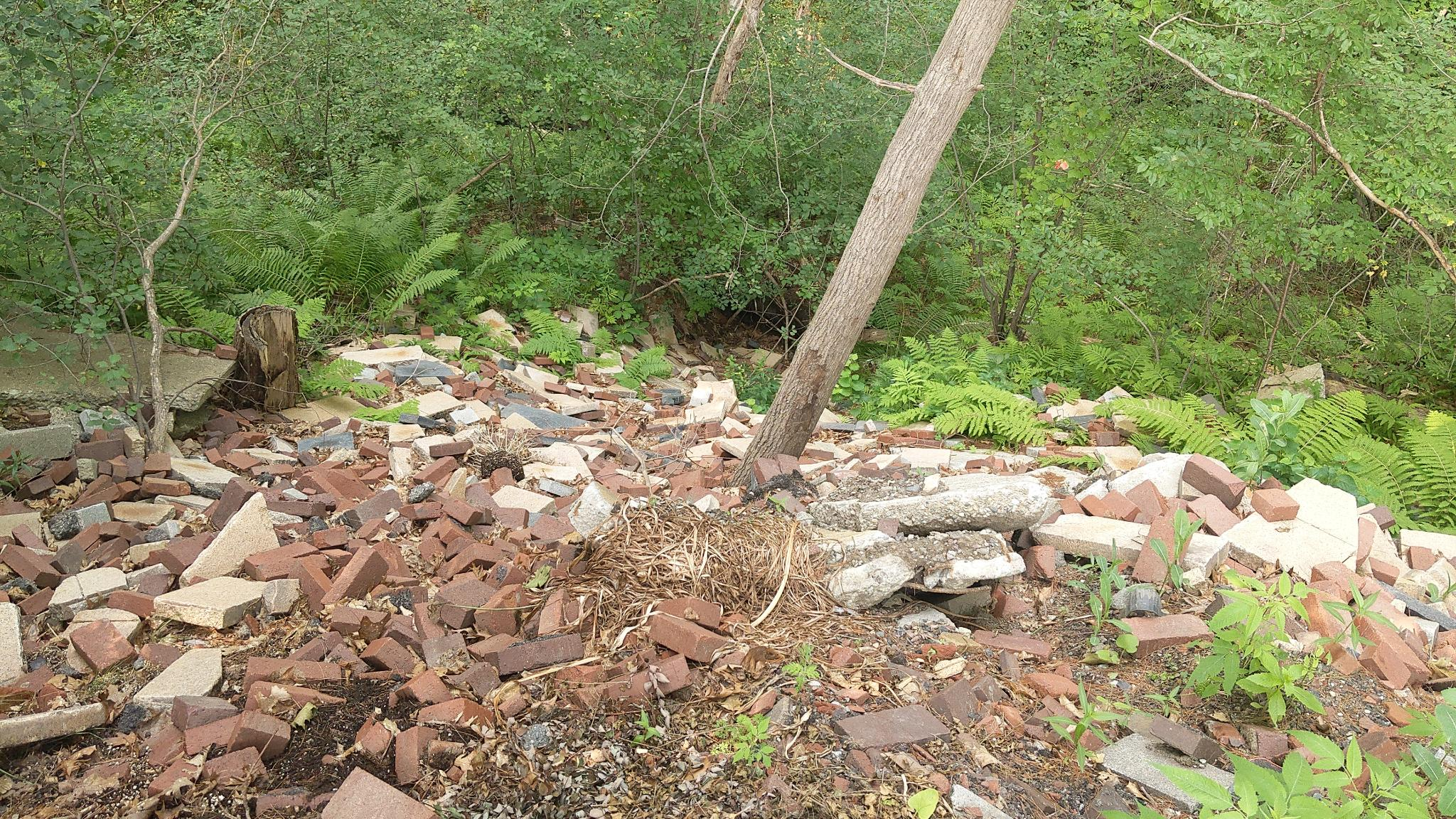
Chipped slabs of granite and bricks are frozen in time, no longer mixing and tumbling over each other. Peering over the steep chasm at the landslide of rubble, I wonder what must have precipitated this rocky deluge. What errors in judgement, what choices led to this gash in the landscape? What a waste of effort and resources, and of life?
I scramble down in the dirt beside the debris, careful not to start an avalanche or to lose my footing. So begins the work of the mounting rescue mission. I pull up one or two bricks at a time until my fingers are scuffed and scraped, my muscles burn, and I am out of breath from the many trips up and down the hill. My pile grows until I am sated, until the car sags a little, until I have enough. Phase 1 of Operation: Salvage Bricks from Behind the Best Western for a Pizza Oven is complete.
“What could we accomplish with what is around us if we only had the time to strip down and sort parts, fiddle with the toaster, or wash and alter old clothes? There has been so much production in the world, and so much waste, that if all of that suddenly ground to a halt, what actual finite, circular ecological economy might emerge?”
I think my awareness of all the value that is discarded and forgotten began when I was eight years old. A crowd was dispersing from a concert at a music festival. Dusk was descending, and my proximity to the ground might have made me more adept at spotting the plastic yellow flashlight nestled in the grass. My dad exuberantly praised me for my observance, rewarded by my “ground-score!” Thus opened the treasure-filled world of the free and forgotten.
It’s been escalating ever since. Typical teenage thrifting and suburban yard sales made way for eyeing the piles on the side of the road and diving into dumpsters. This winter, I finally made time to revisit the world of bike salvage I had discovered in college. I quickly saw how much effort went into discerning which parts of donated, scrapped, and found bicycles were still useful, stripping them down, organizing the parts for when they became usable in a new build.
In 2019, I discovered with shock and dismay the myth of plastic recycling, and went on a puritanical bender to eliminate all plastic in my life. I quickly became overwhelmed and discouraged, since it is so pervasive, but my efforts attuned my attention to all the spigots that end up as maelstroms in the ocean or leaching into the land. Eventually, I resolved to combine my daily walks and commutes with road and trail-side trash pick up. If I couldn’t eliminate the source, I could at least do my part to sequester the stream.
Besides all the unnecessary production of plastic packaging, so much of our waste stream is comprised of things that still have use-value. In the US, fast fashion accounts for 11.3 million tons of waste each year. The landfills are awash in discarded appliances. 63 million tons of food is wasted in the US every year. Not only does this waste create harmful leachate that contaminates the environment, endangers wildlife, and emits potent greenhouse gases, it was costly to produce in the first place. All this waste might reflect a cheap price tag but only because the land from which the components were extracted, the labor that produced it, and the energy that transported it, is undervalued and exploited.
While some of this may be due to the ever-accelerating treadmill of comparison consumerism of keeping up with the Joneses and the latest manufactured fashion trends, plenty is likely due to the fact that many people don’t have the time, energy, or knowledge to repair what they have that breaks, or to properly process and store food as it is going bad. How many would-be DIYers collect piles of projects they intend to return to, but never get around to? What would be possible if they did? What could we accomplish with what is around us if we only had the time to strip down and sort parts, fiddle with the toaster, or wash and alter old clothes? There has been so much production in the world, and so much waste, that if all of that suddenly ground to a halt, what actual finite, circular ecological economy might emerge?
This summer, I have begun to hone my skills at seeing how far I might be able to take this. I have found that with a little patience, it seems that almost everything you might need will emerge in a thrift store, at the salvage dump, on side of the road, in a dumpster, or in the Craigslist free and for sale section. I’ve been inspired by some rad people doing important work, like Food Not Cops and the Night Market – both organizations that collect food that would or already has gone to waste and redistribute it to people who can use it. Betty’s Bikes, Old Spokes Home and the Recyclery are all organizations that refurbish used and discarded bikes. Lab B hosts a monthly repair cafe that supports people in fixing anything they can. The first time I visited them, they helped me recover files off a flooded computer. Whether it be computers, bikes, pottery wheels or clothes, I have quickly learned that you can fix almost everything.
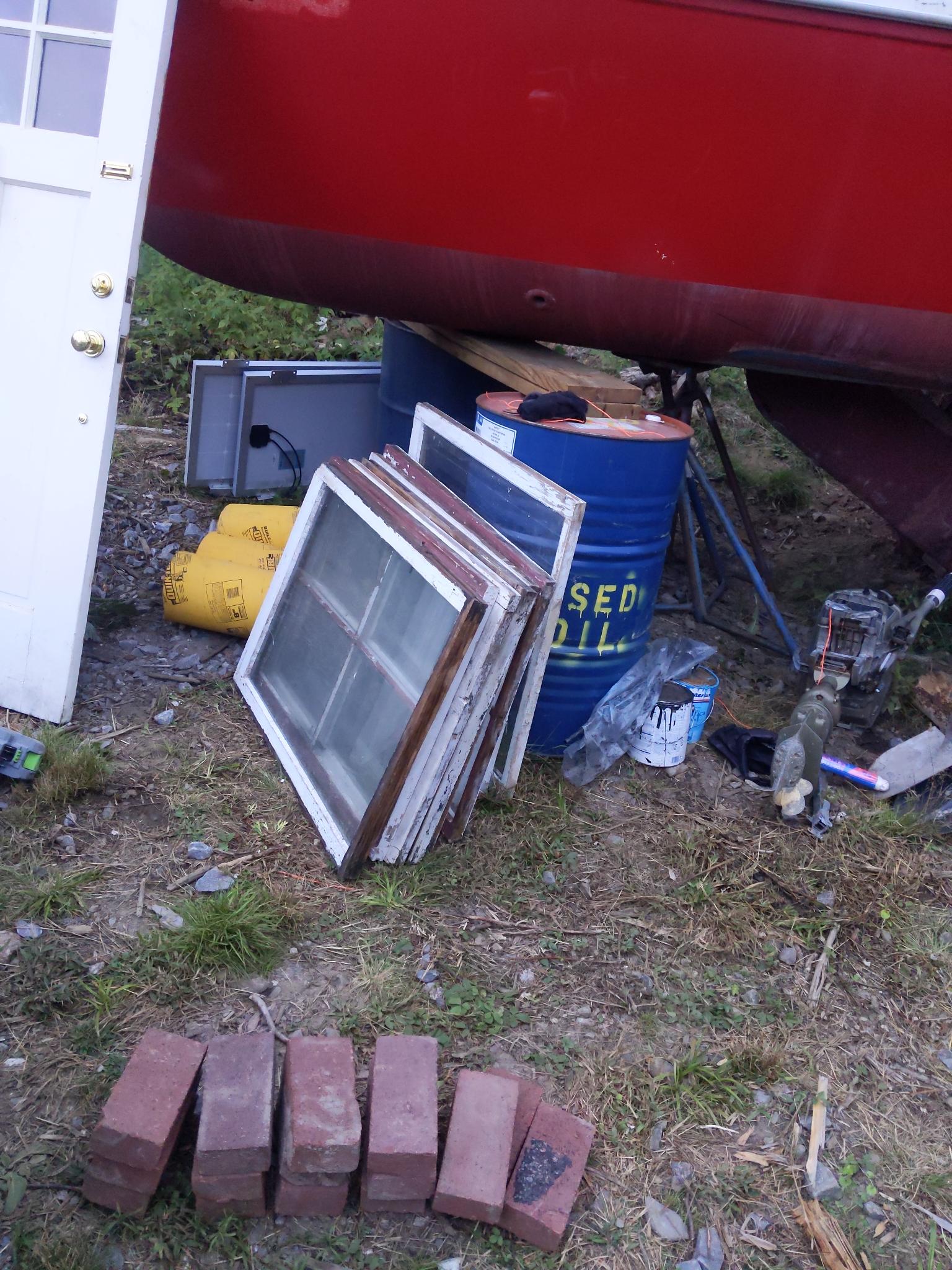
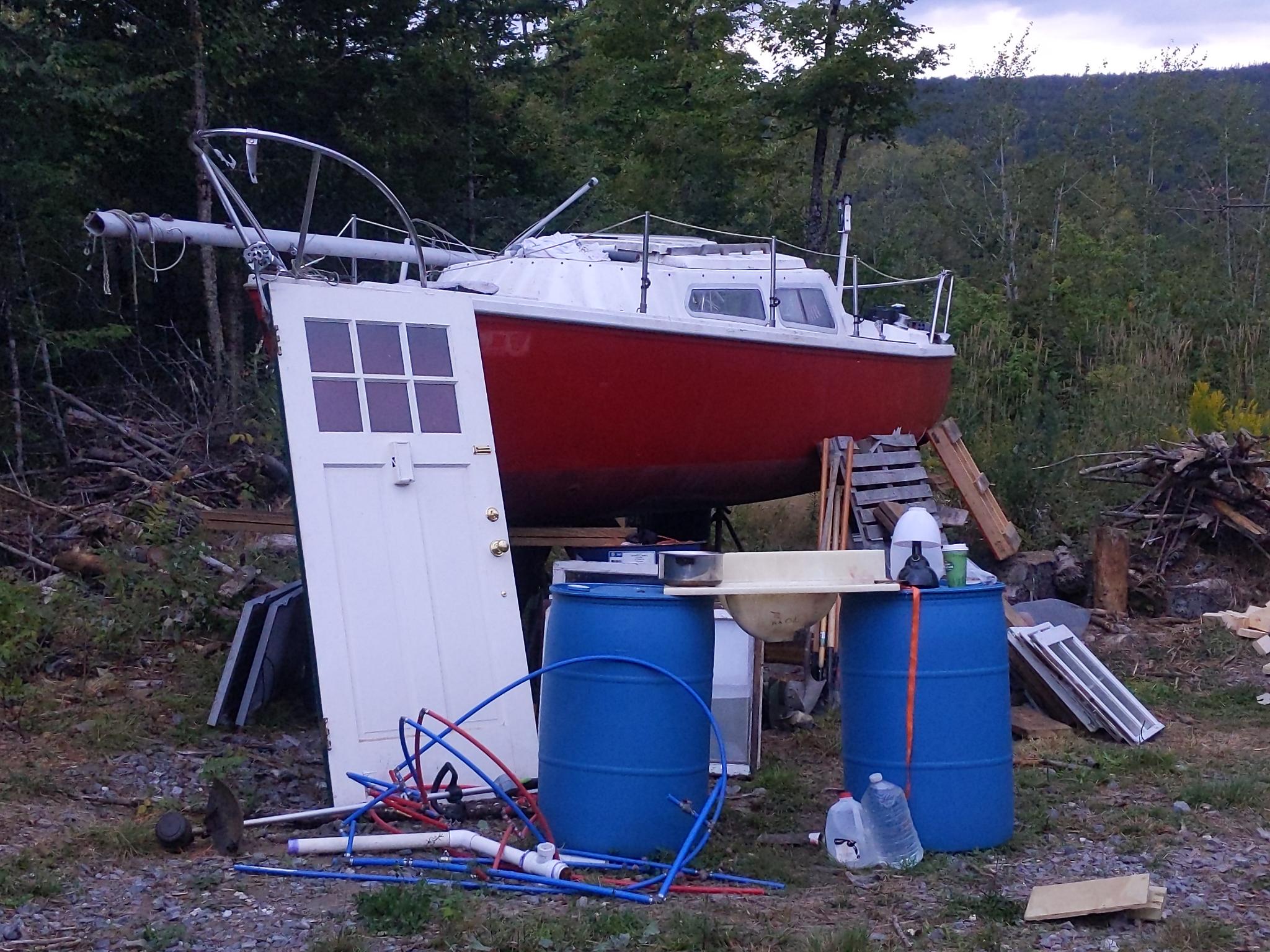
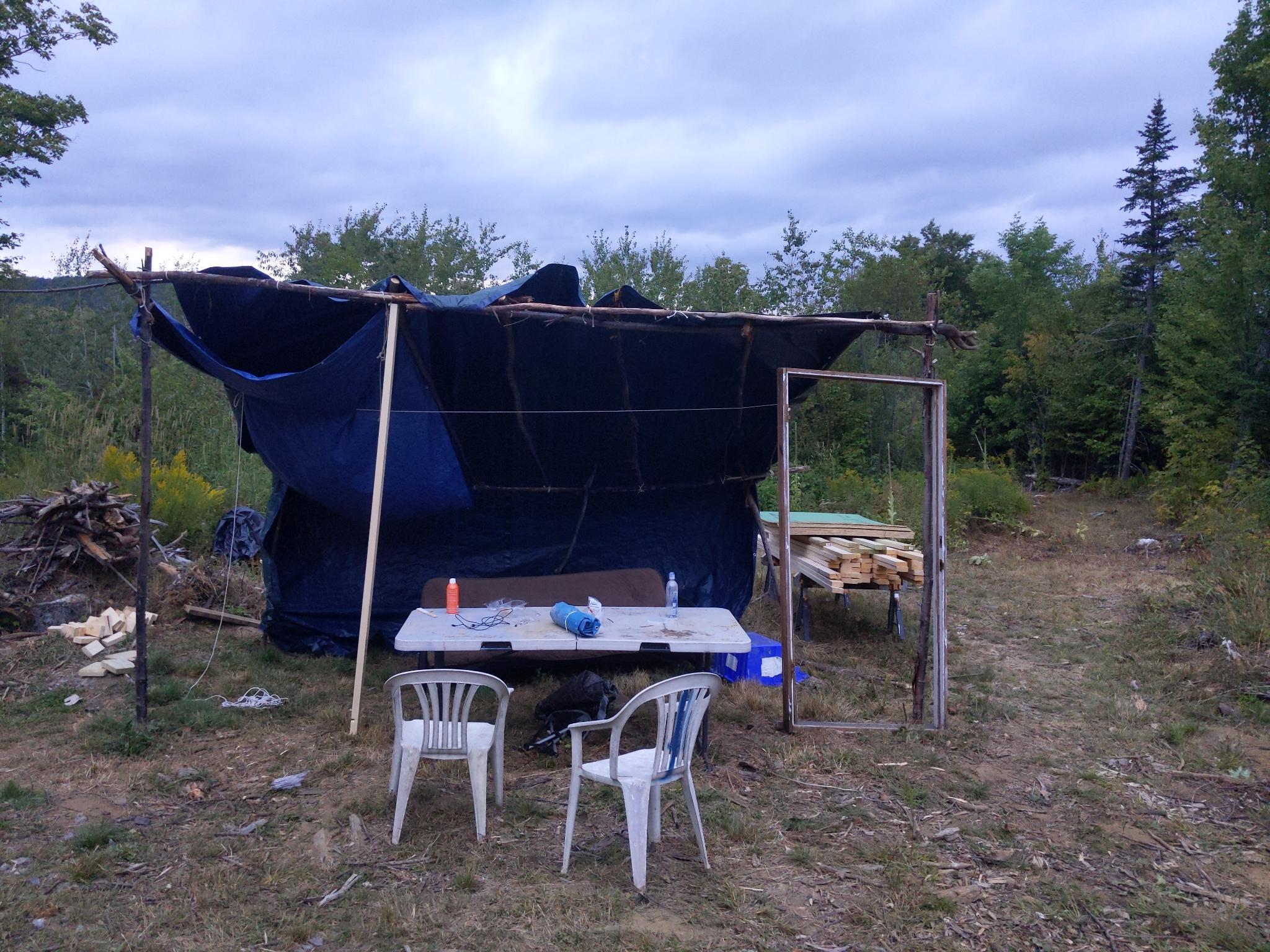
In a remarkably short time, I have acquired: 2 boats (that will be used as tiny homes, or to barter and gift), a trailer, a car, 80 pounds of butter, an oven’s worth of bricks, a bike stand, a door, windows, rain water barrels, a traffic light, a sink, 3 solar panels, and countless memories, new skills, and most importantly: relationships.
“Anything you can salvage and repair sets you (and probably someone else) a little bit free. It’s one less thing you have to buy from some exploitative company, and one less hour you have to spend working for someone else.”
Of course, the work is in more than just collecting all the stuff you find. It’s having the discernment to know what’s worth taking, what you really can use, and what is just hoarding. You’ve got to know that you have the resources to figure out what to do with it, and the time to make it happen. There is a powerful alchemy in this work. Metabolizing something that would have turned into just mass in a landfill into a mode of transportation, or junk food into something nutritious. (For example, one of the dumpster hacks I am most excited about is a half gallon of extremely sweet raspberry tea that can easily be turned into a probiotic, low-sugar kombucha with just a little bit of extra effort.)
All puritanism about natural materials, or low emissions and efficiency aside, usually, the best one is the one you already have (or the one you saved). There is little sense in throwing something away that still works, even if it is imperfect. Because there is no away. It will still exist somewhere out there. Likely breaking down in a fragile environment, instead of serving a purpose in your home. And whatever you replace it with came from somewhere – likely from some marred landscape, made by the hands of someone who’s under or unpaid, with an associated embodied material and energy cost to be made and to get to you.
Anything you can salvage and repair sets you (and probably someone else) a little bit free. It’s one less thing you have to buy from some exploitative company, and one less hour you have to spend working for someone else. Plenty of stores lock up their dumpsters and guard their stash of precious private property (and no, I am not being sarcastic – it is precious to us and to them) with threats of persecution for trespassing. A classic move in the enclosure playbook that keeps us dependent on exploitative monetary means of subsistence.
Small acts of reclamation, of time, labor, or waste are powerful. It upsets the status quo. I think the powers that be know it, but in some ways, these non-violent acts are undeniable and disarming. Once, I was on a walk, picking up trash on the side of the road, and a police car cruised by me. In my peripheral vision, I saw it turn around, and the officer rolled down his window as he pulled up beside me. It was very amusing to witness the look of utter confusion as he stammered, “What are you doing there, ma’am? Oh.. just… just picking up trash? Well, um… thank you…” I wanted to say something like “Why don’t you make yourself useful and pick some up, too?” It’s occurred to me that you could probably venture pretty much anywhere as long as you have a trash bag in your hand. Who is going to make trouble for a good Samaritan such as yourself?
After the first few major dumpster hauls, I found myself with an insatiable itch for more. Emily and I joked that maybe the food we found wasn’t so safe after all. Like toxoplasma or cordyceps, I must have contracted some sort of trash parasite that was hot-wiring my brain and bending my behavior to its benefit. Making me return to the scene so it could complete its lifecycle.
Experiments on rats have shown that reliable results to some action are much less stimulating than random or “variable ratio reinforcement.” This tendency to development an addiction to random reward is used in the design of gambling games in casinos. Whenever you pull up to a dumpster, you never know what’s inside until you lift the lid. The spots with the most useful free piles are always changing.
The authors of The Art of Frugal Hedonism reference the neurochemistry of flow as one of the simple pleasures of frugal living. Flow is the mental state coined by Professor Mihaly Csikszentmihalyi characterized by the focus and energy that comes with performing a challenging task that pushes us just to the limits of our abilities, allowing us to overcome satisfying challenges and to learn something new. Research on the psychological flow state has revealed similarities to the high of cocaine, and it can be similarly addictive, though likely far less destructive. Furthermore, Michael Pollan suggests in Omnivore’s Dilemma that the experience of hunting resembles the same effects of cannabinoids when we smoke marijuana:
“Could it be that the cannabinoid network is precisely the sort of adaptation that natural selection would favor in the evolution of a creature who survives by hunting? A brain chemical that sharpens the senses, narrows your mental focus, allows you to forget everything extraneous to the task at hand (including physical discomfort and the passage of time), and makes you hungry would seem to be the perfect pharmacological tool for man the hunter. All at once it provides the motive, the reward, and the optimal mind-set for hunting. I would not be the least bit surprised to discover that what I was feeling in the woods that morning, crouching against a tree avidly surveying that forest grove, was a tide of anandamide washing over my brain.”
So, combine the flow state that is reached by fixing discards with the variable ratio reinforcement of finding just the right trash with the cannabinoid network arousal of urban foraging, and you have a powerfully addictive cocktail. I don’t see anything wrong with chasing that high, if it means cleaning up the streets, spending less money, reducing greenhouse emissions, and feeding people.
One experience did sow a seed of doubt in my assurance that this was a viable life-path for me, though. On one fateful morning, I decided to join Emily for her morning walk with Durango, something I did not normally do. As we entered the forest, I noticed something that stopped me dead in my tracks. Along a well-worn path were three small dead raccoons surrounded by garbage. It instantly occurred to both of us the symbolic significance of these three dead garbage-eaters. They cast a pall on our delight at our recent jackpots as we wondered what sort of message this must be for us. Maybe I did have a parasite after all, and it was only a matter of time before this lifestyle ended me up in the same place as those raccoons.
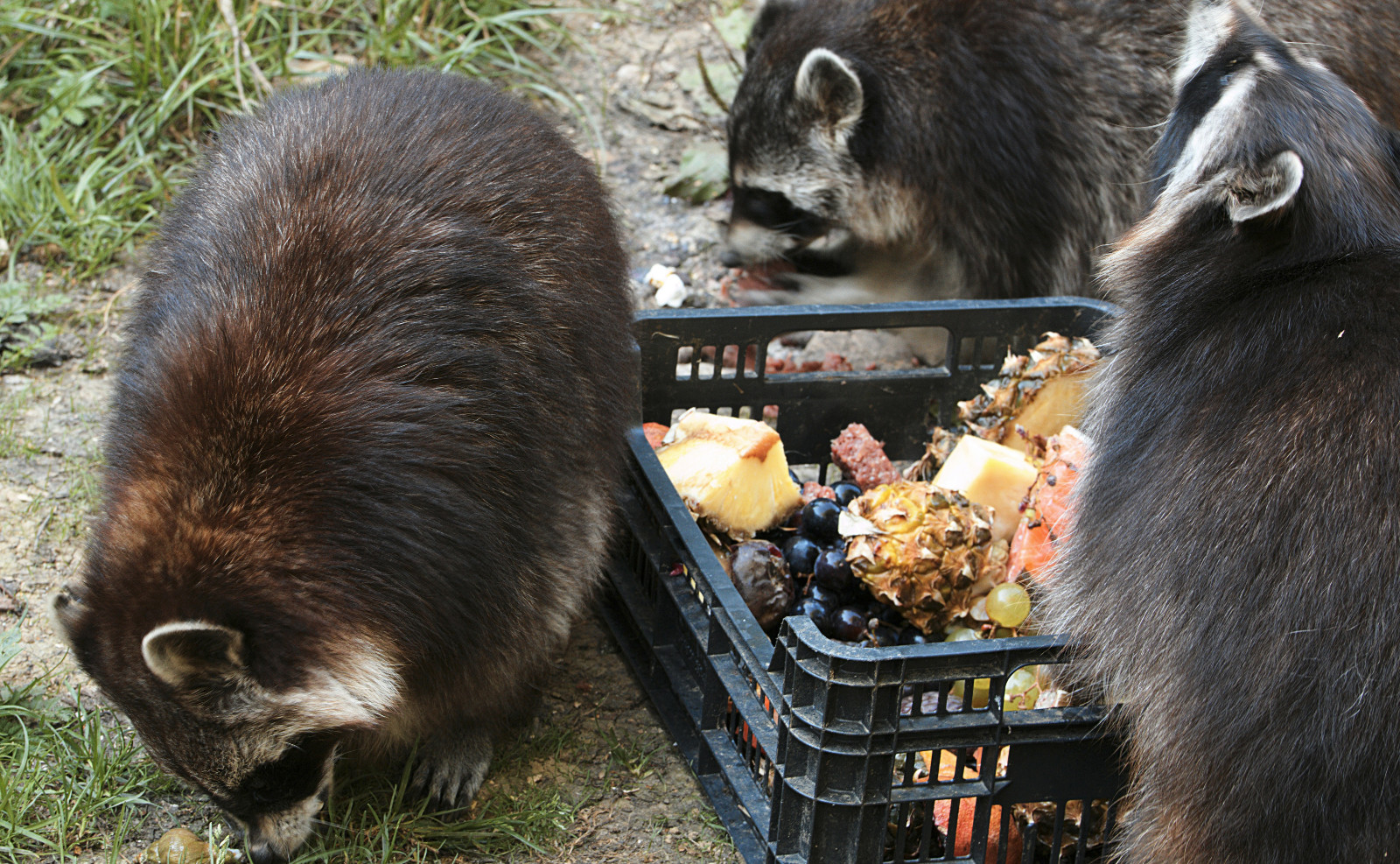
After some research and reflection, some consulting of the Tarot and astrology, I have decided to interpret this message classically. The Death card in Tarot can typically be understood not as literal death, but as a rebirth, perhaps a chance to mature or start fresh. Maturing, in a broad, civilizational sense is, in part, about not turning away – it’s about looking straight ahead at death and decay. To take the time to look behind the curtain at all we cast away and to consider where it all comes from. Death is a part of life, however much our society wants us to forget that fact.
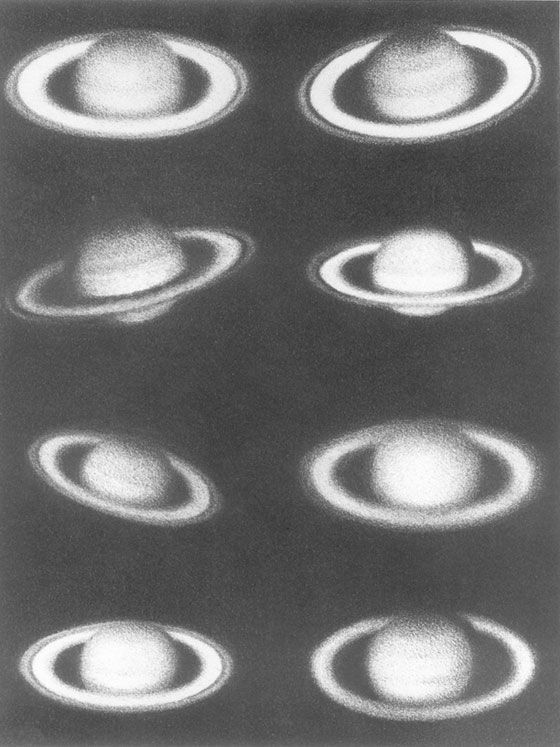
For me, this summer will go down in history as Hot Garbage Girl Summer. I started my bicycle mechanic apprenticeship in May. Rediscovering bicycle repair renewed my hope in a different kind of re-cycling: the undervalued energy and effort of scavenging. This summer happens to coincide with my Saturn Return. The point at which the planet Saturn re-enters the sign it was in when I was born. Saturn is far, far away. Between 793 and 886 million miles away from Earth (depending on its orbit), so it takes a while for this to happen. Depending on the size of the constellation Saturn appeared in front of from Earth at the time of your birth, it takes 28-30 years to return to that exact place, and it stays there for at least a few months, and up to a few years. This happens to coincide with phases of maturation, occurring in a person’s late twenties, and then again in the mid-fifties, and seventies, or eighties.
Often, guiding stories and cosmologies such as these are archetypal, and appear in various forms across cultures. In Hospicing Modernity, Vanessa Andreotti describes the Cree tale of the Four Mountains. It describes four mountains, which represent four stages of life that a person traverses in their life. Many people get lost in the second mountain, warrior mountain, without guidance in our culture to move on to the next mountain: hunter/provider mountain. In warrior mountain, you figure out where your gifts and energies really are. Hunter/provider mountain is about learning how to step into that role, how to put those gifts and energies to good use, and what sacrifices and pivots you need to make to get there.
I’m beginning to realize that my proficiencies and proclivities lend themselves to a role that even I had overlooked until recently. What becomes possible when we really embody the truth that there is no away? What if we began to prioritize this work, to honor it as a keystone role in our transitional ecosystem? Without decomposers (scavengers being the first wave of the process), the world would be piled with carcasses and shit. It’s not pretty or easy work, but those of us already bitten by the bug may find more joy in embracing the transformation than in any other work.
To make the most of these opportunities, to really see how far you can take it, is a lifestyle, one that is not for everyone. It takes time and wonder to wander and explore, to look under and behind, to notice new stashes and piles, to not have anywhere better to be than to rummage. To screech to a halt, pull a U-ey, to meander on paths less direct, to strike up a conversation with a stranger and see what they are trying to offload.
Of course, there is a lot more I need to learn to be effective in this niche. To know the ins and outs of taking apart a box fan, rewiring a headlight, fermenting overly sweet tea into something a bit healthier. It will take a lot of time and a clearing of the proverbial mental desk space to hold it all. It will take a new commitment to embracing the uncertainty of having less money while I am in a position to do so (to make the time for all this learning), but it will also give way to the neodecadent dopamine delight of solving the problem, finding the score, and moving from discomfort to comfort through my own efforts.
After a few years of sacred, sophomoric sanctuary, gathering guidance, writing, and ruminating, it’s time to move on to a more embodied practice of my role, and surrender my edifying refuge for someone else to grow in. For this next phase of maturing, I am entering the disintegration phase of metamorphosis, which needs quiet to rearrange and re-emerge reshaped. I, along with the junk I collect, need to be disassembled and sorted before I can be rebuilt useful again, or serve some new purpose.
I think what those raccoons meant for me was in order to successfully make this transition in life, I would need to do a hard pivot, and I would need to wholly reconsider how I hunt and provide. It will not be easy, and it won’t always be pretty. Under some lids, there might be a glorious, glowing stash of golden butter, and under another a truly heinous, gag-inducing, unrecognizable pile of mush. But that’s life. Facing that is what being a grown-up is about. You don’t grow up or get free without going through it.