• Waste otherWisdom Circle

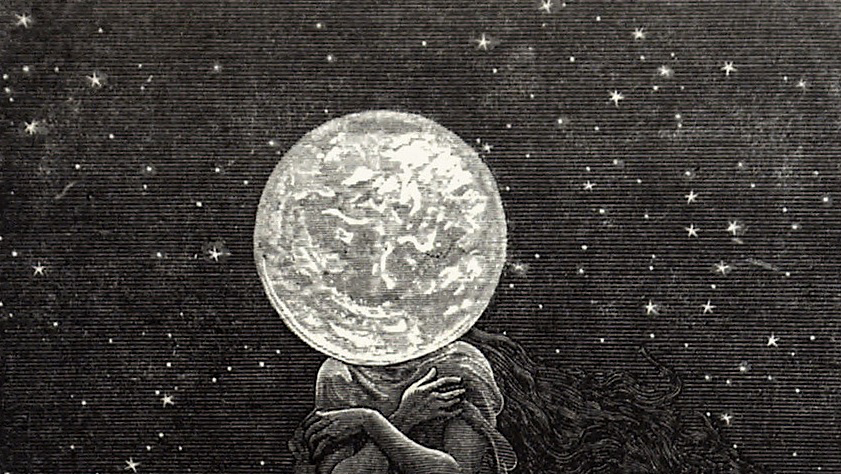
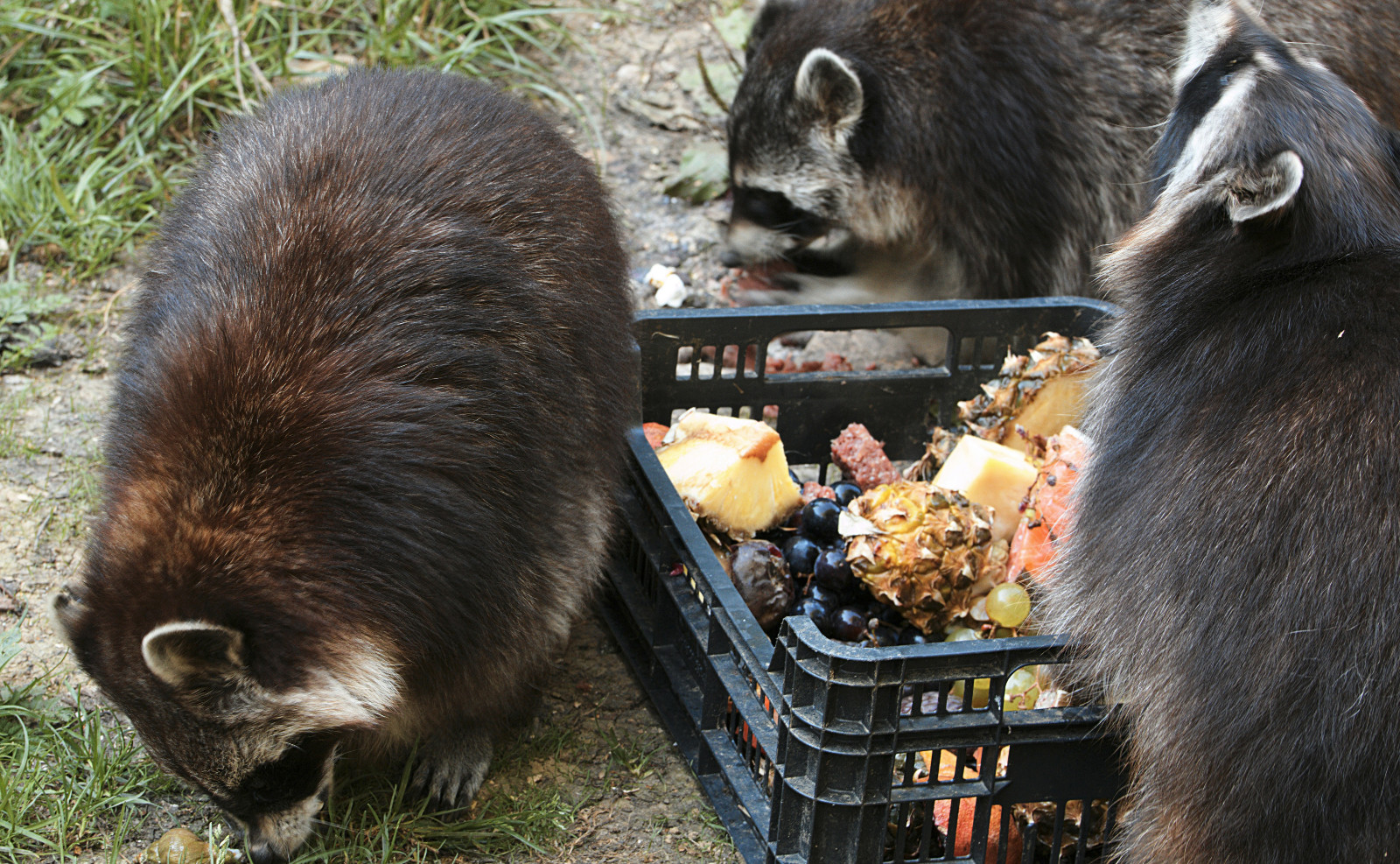
    Throughout this cycle, we will be exploring the concept of Away. We have become blind to the metabolic processes that sustain us, such that what we consume and what we excrete simply comes from and goes to the mythical land of Away - outside of our attention or awareness. Not only does this hidden world allow us to be oblivious to all kinds of irresponsible, unsustainable atrocities, but it leaves us feeling isolated, uninformed, and disconnected from our beautiful, entangled relationships with the wider world. In this first call we will deep dive into all that we discard in our exploration of Waste.
    There is so much abundance in waste, if only we have eyes enough to see. Waste, by one definition, is the disposal of something that still has value. With some extra time and energy to sort through and process what others discard, we can actually keep the useful and nutritious bits in circulation and to properly lay what we cannot use to rest, or give it to someone that can.
  • Death & Decay

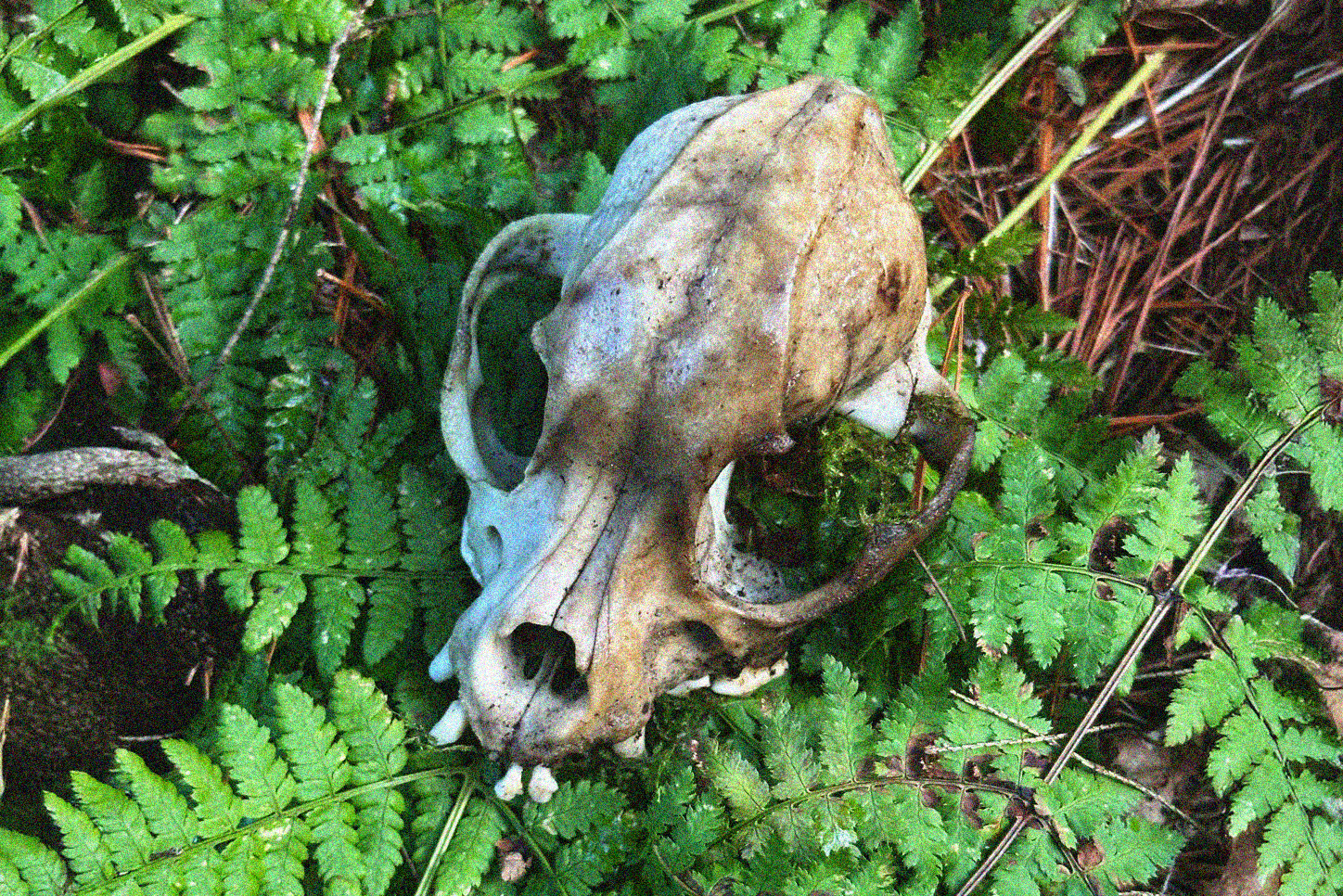
    This goodGrief circle is an opportunity to sit with what our death-and-grief-averse culture often hides from sight. To complement our discussions in the otherWisdom Circles around the mythical land of Away, we will hold space for open conversation in the style of a virtual Death Cafe. Taking the time to explore a topic that the dominant culture has deemed taboo might just shift our perceptions of death and decay in ways that can inform how we lean into otherWays of living, loving, and grieving amidst a finite world.

  • Extraction otherWisdom Circle

    Everything we consume carries stories, has origins. Our food, energy, metals, and comforts are pulled from somewhere — and over the past several centuries, those somewheres have multiplied and often stretched well beyond the range that our bodies travel. Everything we consume connects us to other bodies, beings, places and ecosystems, but those connections are often imbalanced, incomplete, and uni-directional. They take more value than they return. They leave more harm than they tend. In this session, we will look closely at extraction: how bodies, lands, and histories are mined for profit, and how we are entangled in these flows.

  • How to Grow Local Food Movements

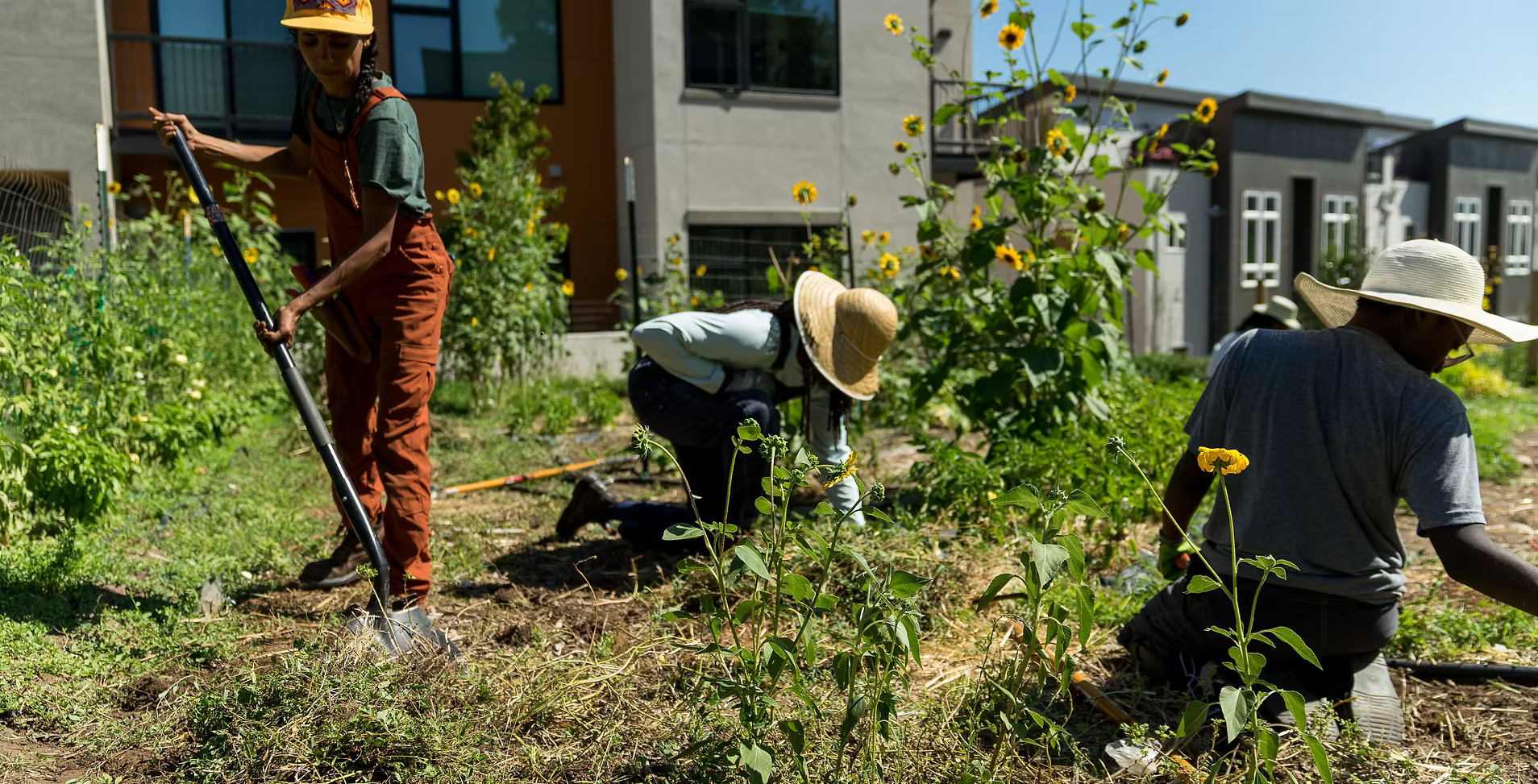
    Cameron Terry, an urban farmer in Roanoke, Virginia, will share with us his experience in food sovereignty and the local food organizing space. Cam not only runs Lick Run Farm, but is a founding member of the Southwest Virginia Agrarian Commons, which works towards community held land for regenerative food production and farmer equity. He also organizes farmers markets, farm events, and a farm summer camp for kids in the city.

  • Composting otherWisdom Circle

    What comes to mind when you hear the word compost? The bucket of stinky food scraps near your sink. Single-use plates and utensils that go in a green bin. A big pile, you know, you need to turn. Time, temperature, and transformation. Rich garden soil.

    Composting is the process of taking bodies and materials (waste), inviting a new kind of life into them (microbes), and turning them into something that can be used again (digestion). This applies to reclaiming what the dominant culture discards as “waste,” yes, though we can easily extend the lessons of composting beyond the physical.

    Together, we will consider composting as both a biotic practice (closing nutrient loops, building soil, healing metabolic rift) and a cultural practice (working with memory, story, and trauma to fertilize more viable futures). Beauty in the breakdown.

  • Meeting Monsters

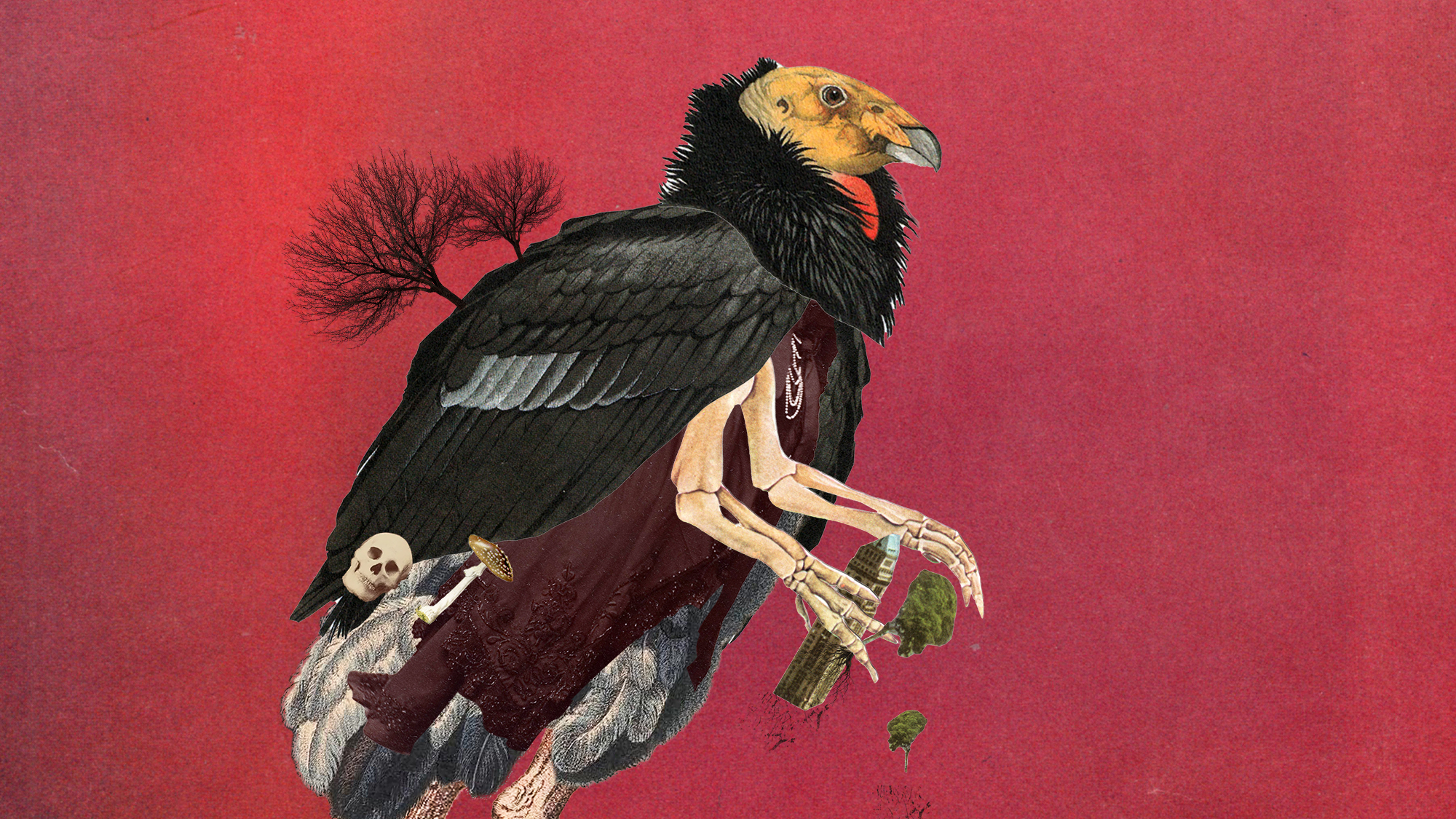
    Exploring Initiatory Territories through Conversation, writing, and Collage with Tom Hirons & Niels Devisscher

    In the middle world we now inhabit, surrounded by the monstrous in politics, ecology, and the psyche, how do we face these forces within and around us, without turning away?
    And perhaps most importantly: can we still find something sacred within these monsters?

    In this hands-on workshop by poet and storyteller Tom Hirons, and communications designer and collage artist Niels Devisscher, you will be guided into Supernatural and Monstrous territories using two different but complementary media.

  • The Gifts of Food Are Ubiquitous

    Food activist and organizer Sam Bliss runs Food Not Cops in Burlington, Vermont. Join us as he discusses the ways we can acquire and relate to food when it’s not purchased, and how he shares and gifts food within his community, whether it’s homegrown, hunted, wild-harvested.

  • Ghosts

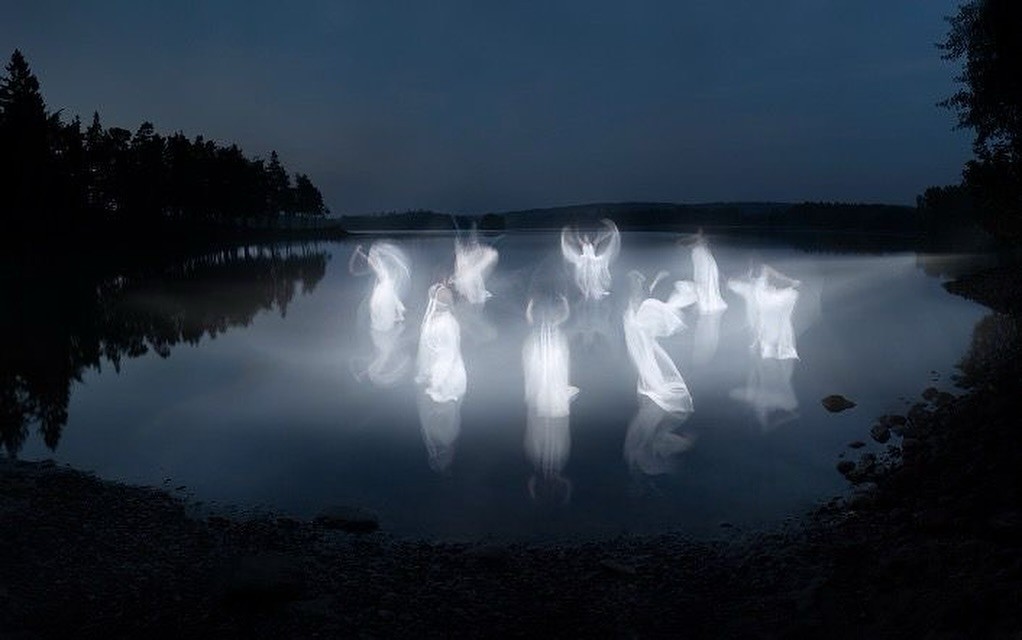
    Phantoms, spirits, apparitions, poltergeists, wisps of white vapor, floating sheets with eye holes cut out. Spooky as they may be in popular fiction, there’s certainly more to ghosts than blockbuster films. Whether interpreted metaphorically, felt bodily, or dismissed as mythical while hurrying past a creepy graveyard, ghosts are well understood as ancestors, legacies, and former or lingering presences on the land. They can be meaningful ways of relating to and understanding the past. Who are our ancestors’ ghosts? Who are the ghosts who inhabit the land on which we live?

  • The Tribe of the Dead

    In this goodGrief circle, we will peer into the wisdom of those who believe that the energy of those who have passed is not destroyed, and live in a practice of acknowledging the ancestors that have moved beyond the Tribe of the Living. As always, there will be an opportunity for sharing and bringing the dead to life through remembrance and story. Participants will also be guided in ritual to connect with the Tribe of the Dead, tending to the Ancestral Grief we carry through generational loss and a perceived disconnection from those who have taken on new forms.

  • Witches

    The vilification of witches and witchcraft was a crucial, and very intentional, part of the process of capitalist enclosure. It is one of many examples of genocide against women, pronatalism, demonization of traditional knowledges, disruption of non-male solidarities, and the beginnings of the invisibilization of women's labor. Despite these attacks, people persecuted by patriarchy and sacrificed to capital practiced resistance and solidarity that still persist strongly today. So too do the spaces for holding unconventional and traditional wisdoms of those villified as witches. In this discussion, we will explore what it means to be a witch, why they have been made so feared, and how we might reconnect with witchcraft. Acclaimed feminist historian and author Max Dashu will join us to lead this discussion.

    Free