
In this essay, otherWise community member Andrea Pitio shares observations about pre-determined ways of interacting and arranging our relationships: within humans, other species, and between humans and the more-than-human world. The codified and outdated ways of arranging our interactions is unravelling, and the author asks: what’s next?
Contributor bio
Andrea spent early adulthood at hotel front desks, where she got to practice applying her spreadsheet-inclined brain and empathetic, intuitive gut to communicating predicaments and exploring options within material limits. She loves when her content and conversations about endings prompt insights and create space for both tears and laughter. What brings her joy (besides distance-running, aerial circus and language-learning) is glimpses of human communities becoming more tightly-knit and coming into better balance and familiarity with the more-than-human world.
Humans, despite all their advances, still require the same things to survive that all living things do: gas exchange, an appropriate temperature, the right amount of H2O, and matter that is compatible with our digestive system. If you alter the movement of just a few atoms, the molecules that make up what I call ‘Me’ quickly become something else entirely.” ‘I’ ‘die.’
One of my favorite units in Agroecology class was about the categories of interactions among species. There are six combinations of impacts. These categories are, of course, simplified –reductionist by design – but they still offer a useful frame to begin with:
- Symbiosis (gain-gain) – An insect collects pollen to feed its young and, in doing so, aids the plants’ reproduction.
- Exploitation (gain-lose) – A rabbit munches on a dandelion. A hawk snatches the rabbit. A tapeworm absorbs nutrients in a dog’s gut.
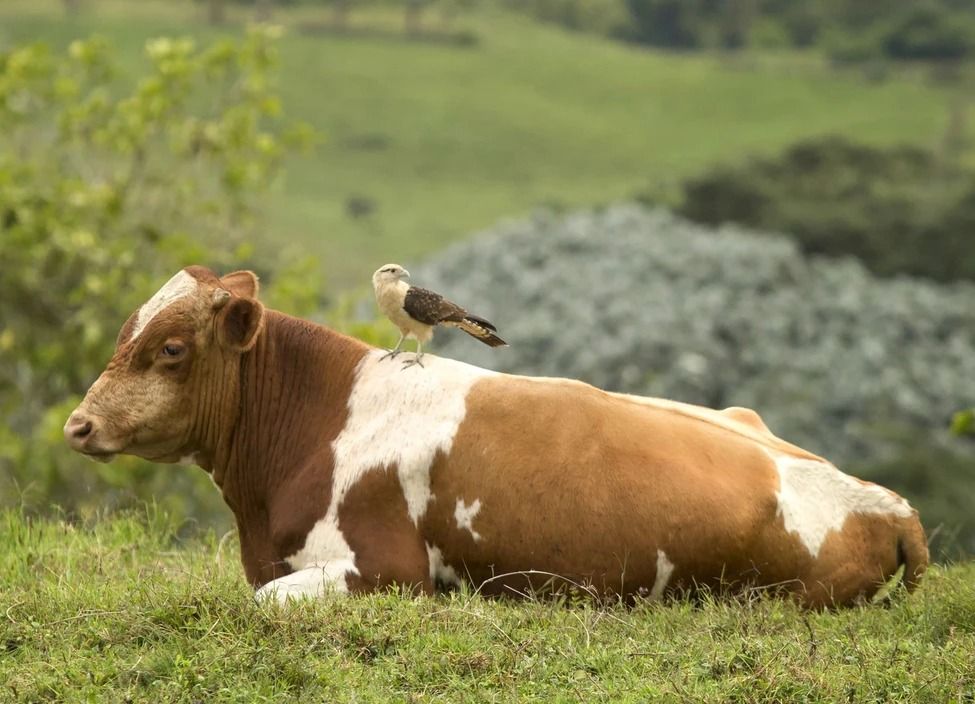
- Commensalism (gain-neutral) – Remora fish attach to sharks, getting a free ride while the shark is unaffected (to the best of our current knowledge).
- Neutralism (neutral-neutral) – Two different species of fish coexist in a coral reef but don’t clearly influence each other’s well-being in either direction.
- Amensalism (neutral-lose) – Black walnut trees exude chemicals that inhibit some nearby plants’ growth. Insofar as some of those plants would never have posed a threat to the tree, the chemical’s influence provides little value to the walnut but harms them. Or, a human drives to the grocery store at night and runs over a newt. The particular human, unaware, is not directly affected.
- Competition (lose-lose) – If you plant cabbages only one foot apart, each one will be smaller than if you planted them two feet apart because they’re vying for the same nutrients. (Granted, the tighter spacing fits more plants in, but on an individual basis, each one is a little stunted.)
“Over time, the demands of empire – through taxes and debt – pushed communities into overdrive, with no option but to enact a relationship of exploitation with the land.”
The totality of what transpires across this array of interactions is more complex than Western science (or language, even) could ever describe, but it’s an intriguing place to start.
Within a pre-modern empire, a majority of humans – at least 80% – would have directly procured their diets from their immediate surroundings. Zoomed all the way in to the individual scale, where a human ate the forage, crop, game, or livestock, the relationship between a human and their food source(s) would count as exploitation (so the conventional reasoning goes, conveniently ignoring the role of our excrement). More broadly, human efforts at food procurement (otherwise known as ecosystem stewardship) would likely have been symbiotic and supported diversity, abundance, and regeneration. Over time, the demands of empire – through taxes and debt – pushed communities into overdrive, with no option but to enact a relationship of exploitation with the land. Until recently, a significant feature of these overshoot systems was that the individual contributors within those groups still would have actively accessed calories and fluids directly from their environments on a regular basis. In this sense of direct relationship with more-than-human kin, most humans in 1800 AD were similar to those in 180,000 BC.
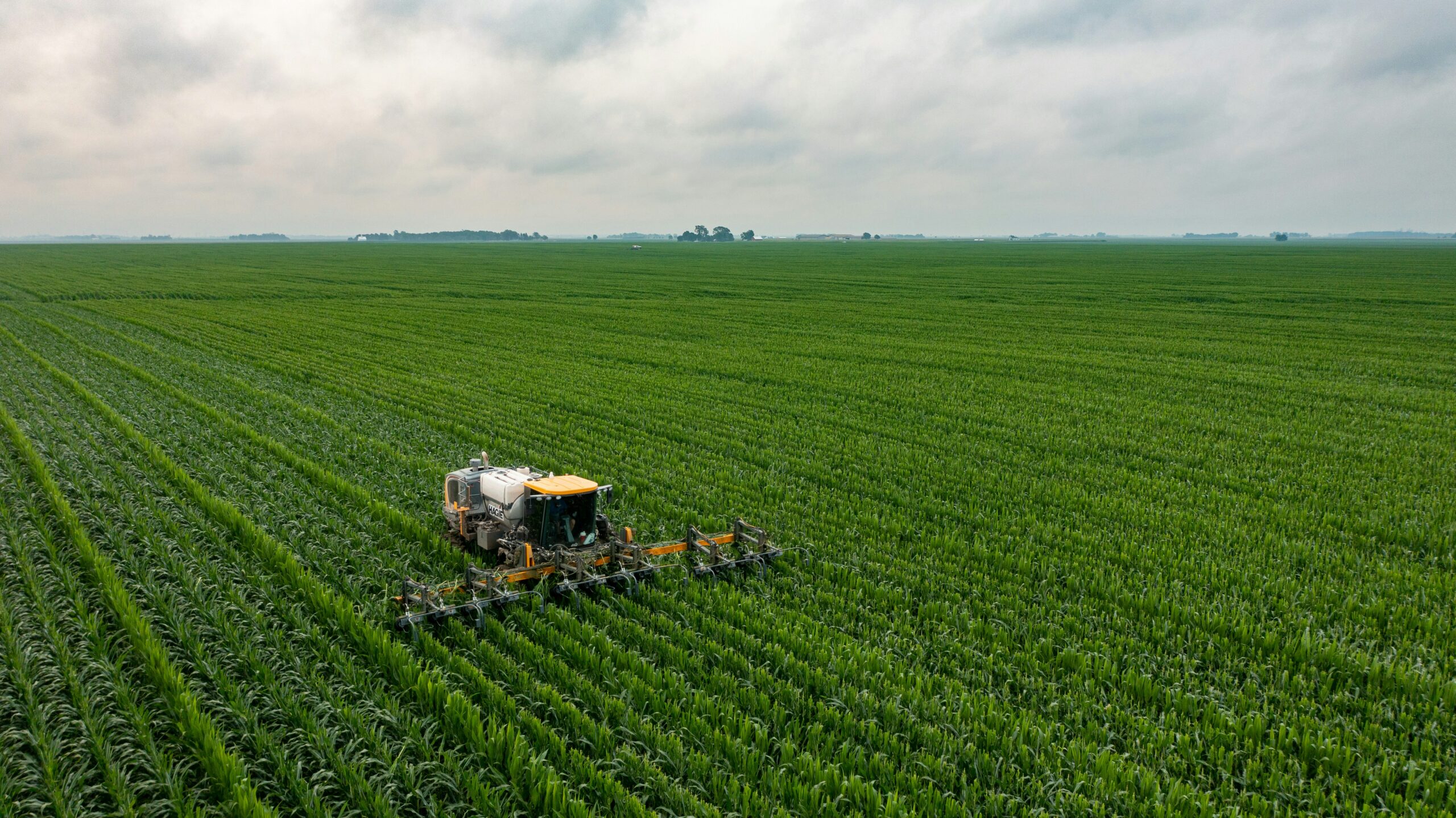
The term “technosphere” encompasses the infrastructure and technologies – and the formal institutions that rely upon them – that distinguish complicated, large-scale human civilizations from other forms of human society. Think feats of engineering, both ancient and modern: aqueducts, roads, cities, bridges, railways, plumbing, the power grid, data centers and cables, multistory buildings, vehicles and other machinery, appliances and devices. These transformed the nature of food, medicine, governance, trade, and communication. The technosphere’s orientation toward the biosphere is – and can only ever be – one of exploitation. The creation and maintenance of a technosphere requires that a human collective plunder its environment for metals and minerals, as well as for organic materials to support a ballooning workforce, far exceeding any near notions of honorable harvest. Coordination toward converting non-renewable, abiotic materials into infrastructure takes on a life of its own, and even without anyone explicitly choosing, extraction becomes the emergent phenomenon’s modus operandi. Long before contemporary capitalism and fossil fuels, civilizations’ endeavors were unleashing contaminants.
We could explore additional layers of interaction, especially as we consider different scales and types of civilizations. What percent of individuals provided food to the rest? How did the system treat the providers? What kind of aggregate impact did the receivers have on the world beyond the technosphere, not just as consumers, but also as laborers? Keeping with the theme of interaction categories, the relationship between rural farmers and the technosphere, which served as an intermediary between farming and urban citizens, would have qualified as exploitation, and particularly two subtypes. In a parasitic dynamic, one being keeps the other alive indefinitely while extracting material resources. This could be Feudalism (800s to 1400s AD), where lords exacted from serfs a share of the harvest, since the serfs performed this labor on land that the lord claimed. (The technosphere includes the institutions that arise from complicated, large-scale civilization – in this case, the concept of and ability to enforce land ownership.) The other relevant sub-type is parasitoid behavior, in which the being that gradually derives sustenance ends up killing its host, just not as quickly as a predator would its prey. This might best be exemplified by Chattel Slavery (1400s to 1800s AD), where slaves were commodities to be bought and sold as property, and maybe by earlier, less-market-based forms of forced labor. Enslaved people, often seen as more disposable, would have faced more life-threatening conditions that serfs.
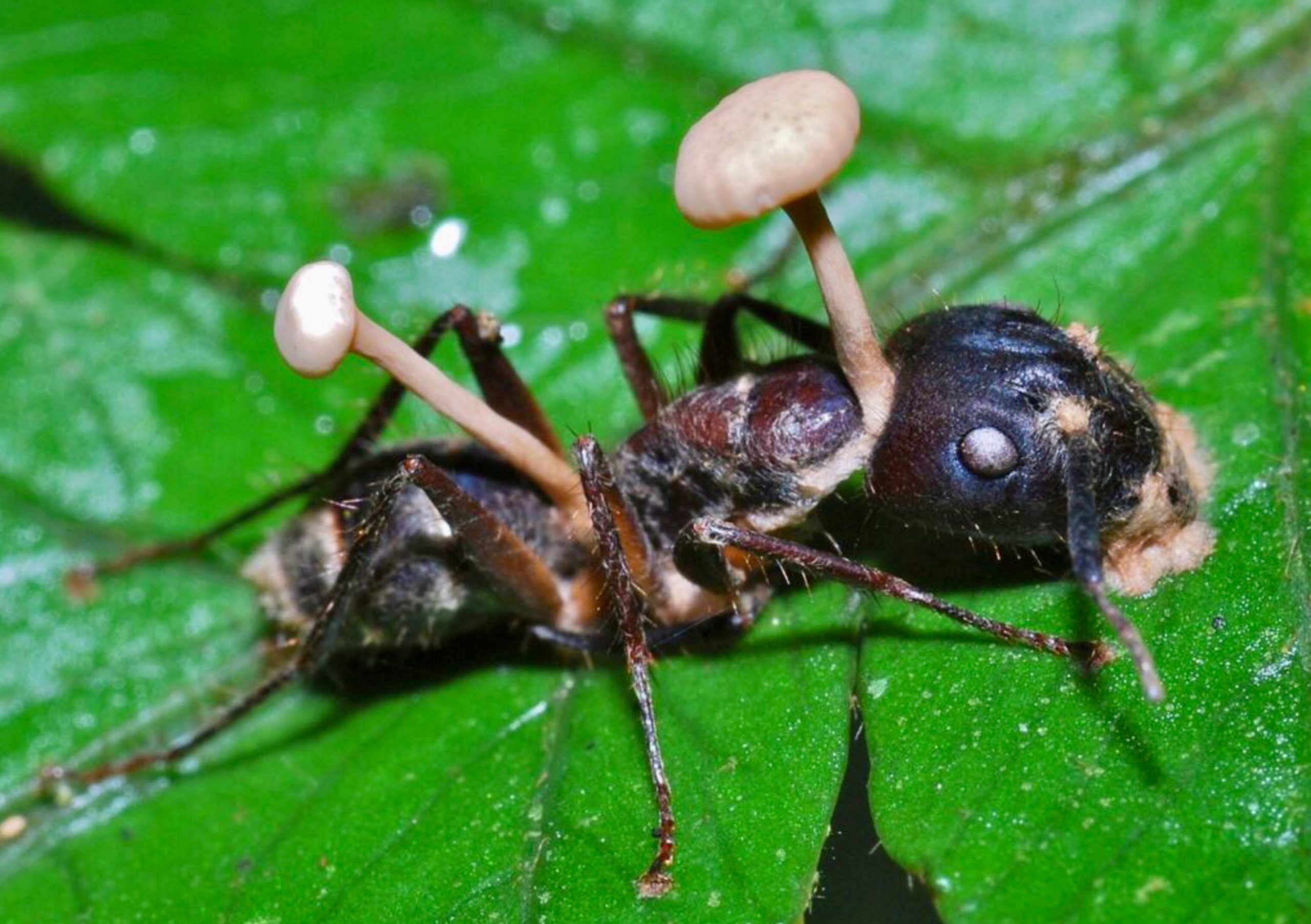
What of the relationship between the technosphere and those who inhabit it? As much as any technosphere is utterly reliant on human labor for proliferation and repair, humans who lived in or near cities would have (whether voluntarily or not) devoted their days to specialized roles, distinct from the direct procurement of digestible molecules, while the technosphere facilitated the flows of resources that kept them hydrated and fed, and removed their waste. This interaction in which the parties are inextricably linked, is a subtype of symbiosis called obligate mutualism. An example of this occurs between fig wasps and figs (except where humans have intervened to breed figs that reproduce asexually). Fig flowers evolved to face inward into the future fruit. Only a female fig wasp can manage to enter, bringing pollen as she wriggles in and sometimes losing her antennae and wings. Once inside, she lays her eggs and dies, and the fig digests her. The fig and fig wasp need each other to survive and reproduce. Should one of these two species disappear from the picture, no other being – that we know of – is immediately available to serve as a substitute. For this reason, specialists tend to face a higher risk of extinction.
The modern global technosphere has reached a mind-blowing scale, with the mass of its non-renewable matter now surpassing the mass of living matter. (A visualization can be found here.) But what’s most remarkable about global industrial civilization might not be the “global” aspect but rather the “industrial” part. While about 10 million humans live as hunter-gatherers today and many more live as subsistence farmers, fossil fuels have profoundly transformed how a broad population of humans procure something to eat or drink.
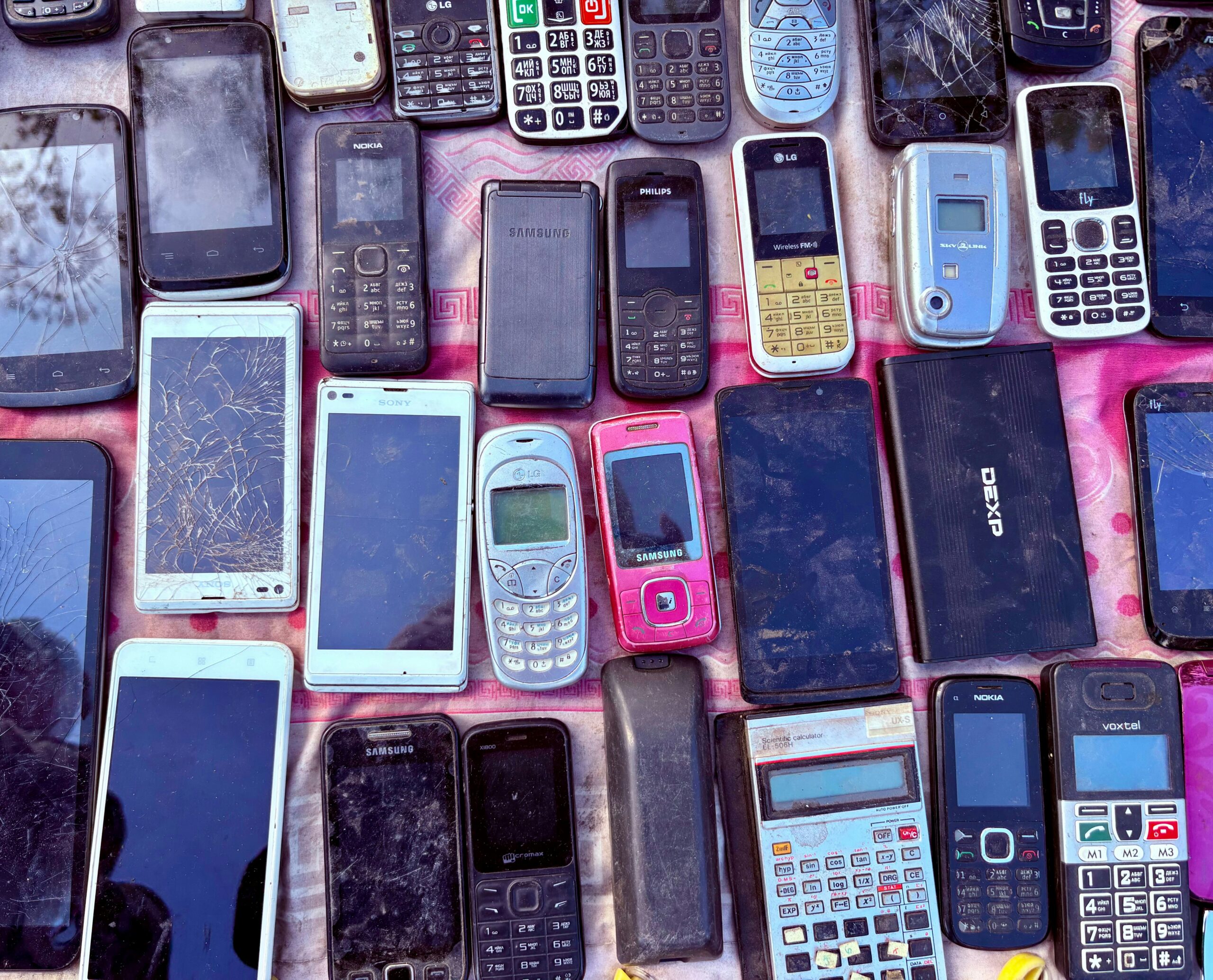
As the technosphere grew larger and more complex, consuming more material and burning more energy, the increasing number of humans born into it have filtered into new, specialized niches. (Here we can see how in the United States, human activity has transformed.) Previously, most humans performed the physical labor of farming and the technosphere merely supported transport. Simple technologies like wheels and ramps relieved farmers of some exertion, whereas later machines became more sophisticated. Driven first by the flowing forces of wind and water, and then by combustion, they became active participants with their own metabolisms and much more significant roles. By one estimate, while the human labor force counted about 4 billion individuals, our fossil-fueled machinery does the work of 500 billion individuals. In outsourcing physical labor, we also let go of generations of cultural knowledge – skills for survival, preservation, and adaptation. Because of electricity, I don’t know how to preserve food, start a fire, light a candle, or make water safe to drink. Industrial powers originally shamed citizens into this kind of vulnerability, and some communities are still resisting it today. Tech was compromising us long before AI entered the scene.
As a result, across all socioeconomic classes, vast numbers of humans face the same general limitation: they don’t inhabit a biome that can meet their fundamental needs and/or they lack the materials and skills to derive that sustenance. If supply chains (the technosphere’s circulatory system) were to falter, a CEO in Tokyo, a refugee in Sudan, and an Amazon warehouse worker in Minnesota would all struggle to meet their basic needs. The nature of their difficulties might differ: One person might be surrounded by fertile soil, but unsure how to identify or encourage the growth of edible plants. Another might have those skills but find themselves in an area with a carrying capacity so low that resourcefulness cannot overcome it. They’d be trapped in a system where one must qualify for nutrients and fluids through often unrelated labor. Their diet – when supplied – would consist of food that someone else grew or raised, sometimes very far away. Like the fig wasp’s arrangement, this isn’t necessarily a comfortable one and may likely entail sacrifice and suffering.
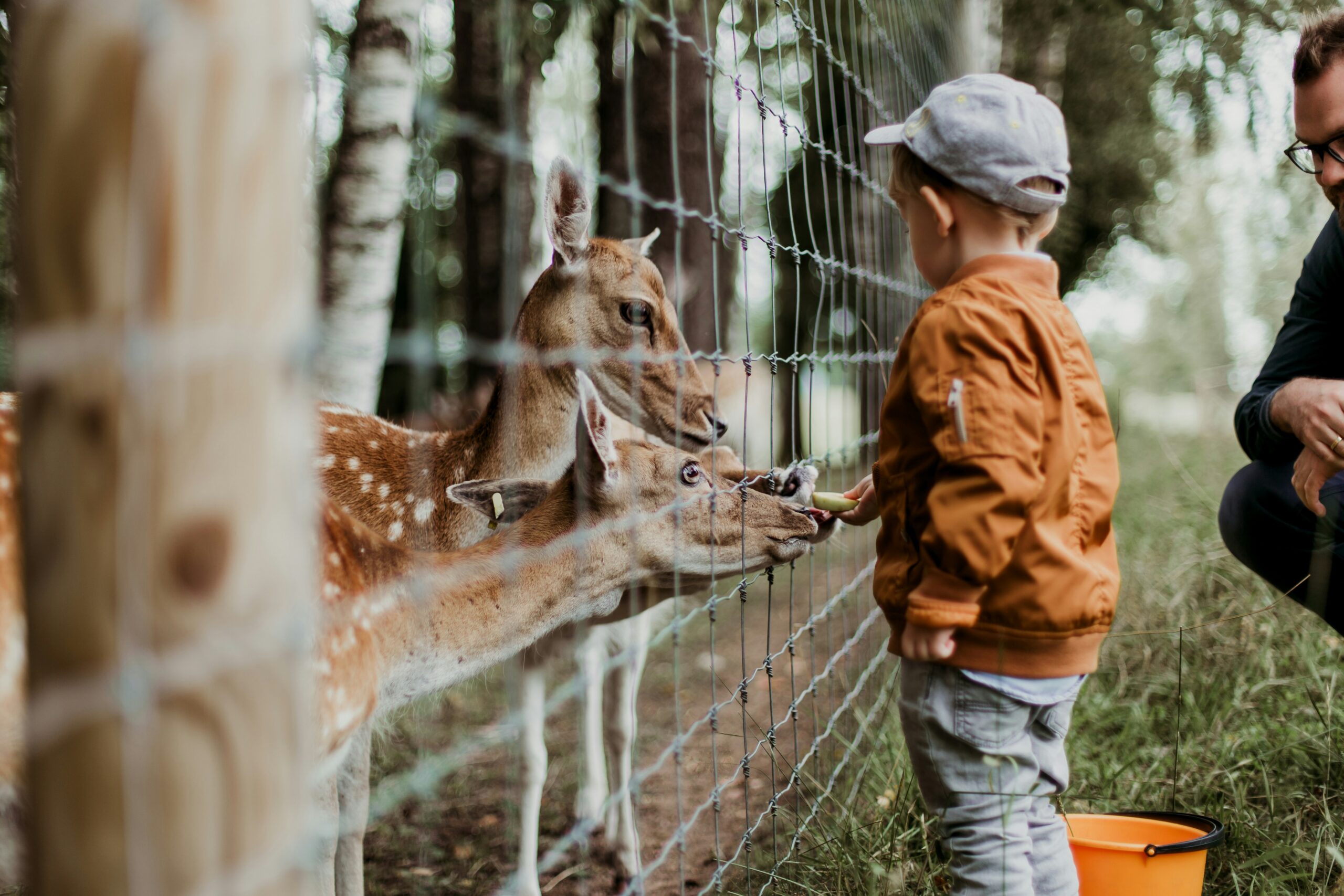
However, the human-technosphere form of obligate mutualism is so unique that the most apt analogy might be a zoo compound and its inhabitants. Firstly, conventional ecology’s concept of species interactions like symbiosis involves two creatures whom we would recognize as alive, biotic. Conventionally, the technosphere is understood as abiotic, constructed of metals and minerals, although it can seem temporarily to be animated. Secondly, in species interactions, the actors are usually still responsible for pursuing their survival needs. The fig is still photosynthesizing and the wasp is still visiting flowers. Human members of civilizations now learn to do a dazzling array of tricks – we’re violinists, neurosurgeons, gymnasts, literal rocket scientists – in exchange for being fed, and the one thing we aren’t encouraged to learn is how to feed each other. We’re therefore closer to animals born into captivity. Our enclosures vary in luxuriousness but keep us all desperate for the pellet dispenser to remain functional and for our tricks to be deemed worthy of rations. Many mock billionaires for aspiring to live in space, without acknowledging that we already exist as a “species out of context”, in artificial conditions that are dramatically different from the ones in which we evolved (and from what any other species experiences). We’re even pressured to view ownership of a place for ourselves within the technosphere as the sole method of pursuing self-actualization, connection, and fulfillment, leading to a kind of civilizational Stockholm syndrome.
This obligate mutualism becomes worrisome when we recognize that every complex civilization, largely because of its technosphere and the activities that underpin it (resource depletion) and arise from it (ever-growing inequality), self-destructs. This industrial edition is particularly ephemeral. Self-described “recovering astrophysicist” Tom Murphy offers extensive explanations for why modernity is nearing its expiration date, including his posts “Can Modernity Last?” and “Evidence, Please?” It isn’t just capitalism that’s entering a terminal phase. The senescence of our technosphere means an unprecedented reversal of an unprecedented portion of humans engaging in blue-, pink- and white-collar work and then sourcing their most basic needs through (often) impersonal transactions. If a blight were to wipe out all fig trees in a region, the fig wasp is at least accustomed to navigating the living world and sourcing her needs from it. She would “merely” face the challenge of finding an alternative appropriate material for nourishment and egg-laying. We in the zoo will be losing our intermediary, thrusting us into an unfamiliar world and requiring of us (where possible and if we care to reduce suffering) direct human/more-than-human behaviors with which many of us, so far, have little experience.
“Human members of civilizations now learn to do a dazzling array of tricks – we’re violinists, neurosurgeons, gymnasts, literal rocket scientists – in exchange for being fed, and the one thing we aren’t encouraged to learn is how to feed each other.”
The consequences of our technosphere’s activity are piling up. Over the past 50 years alone, insect numbers have fallen by at least 70%, and the same is true of wildlife overall, with industrial agriculture’s habitat seizure and poison chemicals largely driving both trends. Microplastics accumulate in our bodies, harming human health and inhibiting everything from bird migration to photosynthesis. Oceans are heating up and acidifying. Earth’s plants and soils are sequestering a smaller proportion of our annual carbon emissions than they used to. Between drought and floods, some areas have zero harvests left, and by 2050, disruption to the hydrological cycle will put half of food production at risk.
Sensing precarity, we want to know, “What’s going to happen [to me and my loved ones]?!” Authors such as Jared Diamond, Joseph Tainter, and, most recently, Luke Kemp have sought to answer this by analyzing the current era against the trajectories of previous complex human civilizations. Similar woes drove these empires’ rises and falls: soil erosion, deforestation (and the symptom, climate change), pollution, a widening wealth gap, and heightened risk of contagious disease. While these authors do impressive research in their fields – e.g., geography, anthropology, history, international relations – they rarely adopt an ecological lens. Intentionally or not, their failure to do so limits our ability to conceive of and analyze humans as we would any other lifeforms on Earth and causes them to miss some critical aspects of our present predicaments. This big miss may be due to a lack of creativity. It may be human exceptionalism – as if there could be no other legitimate basis for comparison except others within our one species. I think another influence might be at play: the desire to offer easy (or easier) but misleading answers to the question of what experiences lie ahead.
In his breakout 2025 book, Goliath’s Curse: The History and Future of Societal Collapse, Kemp acknowledges our unparalleled lack of survival skills, the harrowing severity of ecological and climate disruption, and the high risk of wide-scale conflict. He also offers many right answers to the wrong questions. By this, I meant that if one cares to anticipate the broad strokes of “What’s going to happen?” the questions he addresses are not the most relevant ones to ask. Are humans, by nature, evil and greedy? No, most humans would behave pro-socially in a context that supports it. When Goliaths – Kemp’s shorthand for complex societies – collapsed in the past, did many humans suffer? Kemp asserts that the answer is no. His research seems to demonstrate that the top 1% faced personal decline while the 99% benefitted. And seemingly, we – the rank and file humans of late modernity – are meant to take some comfort from this finding.
However, Kemp appears to underplay the unsustainable violence behind any technosphere and the inevitability of its decay, already underway. In so doing, he allows readers (and perhaps himself) to conclude that there’s some possibility of net-positive change on the horizon for a majority of the humans alive today. Supposedly, if we can skim the “Goliath” essence off the top of a complex civilization, then the rest can be ours to keep. Kemp indicates that the greening of capitalist industrialism could stop at socialist industrialism, but doesn’t examine too closely the material demands of preserving any industrial order whatsoever. Granted, there’ve been plenty of revolutions that upended power structures within human societies. But insofar as the complex civilizations persisted, the relationship between the manmade, non-renewable world and the world beyond remained one of depletion. (Parts of the “natural” world – such as North American grasslands and the Amazon – are likewise “manmade” in a sense, but their human allies shaped them generatively, with a focus on nurturing their biotic kin). Every enhanced layer of technosphere has come at a cost to the biosphere, and even when improvements for the humans within it didn’t distinctly exacerbate this harmful relationship, they usually didn’t alleviate the ongoing encroachment either, as we can see in the Great Acceleration that proceeded alongside modern progressive victories. Readers, energy-blind and desiring relief, have little incentive to scrutinize Kemp’s assurances.
Further, Kemp appears to miss a critical distinction between humans past and humans present that becomes very apparent when we bring the lens of ecological interactions and molecular flows to the comparisons of cursed Goliaths. Today, in many cases, humans appear to have been pulled into obligate mutualism. Thanks to both active campaigns and unplanned developments, such as enclosure, schooling, and industrialization, many (if not most) of us do not have the access or ability to pursue and meet the majority of our fundamental organismic survival needs independently of the malignant technosphere. This distinction makes a real difference! Kemp’s observation that the 99% benefitted from prior collapses appears insensible to the fact that all of our ancestors — whether from the Bronze Age (collapsed around 1200 BCE), Ancient Rome (collapsed by 476 CE), Han Dynasty (220 CE), Mayan Empire (900 CE) — were alike in a way that excludes us. They were not fully locked into obligate mutualism because they still had the skills and access necessary to make a living directly from their immediate biosphere. Peasant farmers under the empires of old could continue as peasant farmers without kings or lords. Many ancient village dwellers would have still had family members (and larger extended families) somewhat nearby who were farmers or shepherds. At the very least, urbanites could have likely walked to clean drinking water outside the city in a matter of days. (What New York City or Shanghai resident can do that?) There were still many unconquered or semi-autonomous societies living beyond the reaches of the empire. Contemporary human constituents have since primarily surrendered sustenance to the technosphere in lieu of deriving their ingestible molecules directly from the land through their own labor. The fossil-fueled build-out of our modern technosphere and its influence on our cultures and capacities have altered the proportion of humans who possess the skills and resources that would enable them to actually experience this civilization’s collapse as an unequivocal improvement. (Perhaps the more likely someone is to have heard of Kemp’s book, the less ready they should be to take comfort in it.)
“Kemp’s observation that the 99% benefitted from prior collapses appears insensible to the fact that all of our ancestors — whether from the Bronze Age (collapsed around 1200 BCE), Ancient Rome (collapsed by 476 CE), Han Dynasty (220 CE), Mayan Empire (900 CE) — were alike in a way that excludes us. They were not fully locked into obligate mutualism because they still had the skills and access necessary to make a living directly from their immediate biosphere.”
Here’s where I see wiggle room: Certain humans have the financial security that confers access to land and time to develop skills, and they have some immunity to the paralyzing force of social stigma. Although they might remain entangled with the technosphere, the dynamic can shift from obligate mutualism to basic symbiosis, where they act sometimes as Receivers but also sometimes as Sourcers, and meet needs (their own or others’!) through various relationships beyond employment and transaction. They can develop spare capacity and refine replicable approaches. Their efforts in the present could produce shareable sustenance. And as the technosphere becomes unable to meet an increasing number of community members’ needs, those who’ve had the privilege to stray beyond the zoo and practice feeding themselves can contribute to community survival and wellbeing while honoring the valuable insights from those whose time and energy the technosphere exploited the most, until its demise. Compassion and solidarity, like molecular flows, are not without limits, yet they seem not to be fixed or zero-sum, either. Even under conditions of increasing volatility, uncertainty, complexity, and ambiguity (VUCA), it is likely that compassion and solidarity can be nurtured and amplified until there’s more than enough to share. We can embrace the community and connection that will support everyone through hard times. As Naomi Klein and Astra Taylor write, we can work toward “a far better story about how to survive the hard times ahead without leaving anyone behind… A story not of end times, but of better times; not of separation and supremacy, but of interdependence and belonging; not of escaping, but staying put and staying faithful to the troubled earthly reality in which we are enmeshed and bound.”
Ecology has one more relevant lesson, which is that “nature” – including humans’ cognition and behavior – operates on its own sometimes-mysterious timetable and not according to anyone’s preferences. This applies even to the powerful and stubborn barriers to responsive action that are “just in our heads.” Many individuals could integrate awareness of Normal’s impermanence into their paradigms and adjust their daily routines to position themselves and their communities for better outcomes – yet they don’t. This might partially be contextual. Modernity has presided for entire lifetimes, so it seems to be eternal, and it decay is so gradual – or perhaps so far removed from the confines of the technosphere – as to be imperceptible. However, I suspect that social factors drive things. As social creatures, humans look to each other for cues and to culture for inspiration. Someone may see the flaws in the dominant narrative and have leisure time, but if the only examples available are extreme, they’ll conclude that collapse-responsiveness is all-or-nothing and therefore beyond their reach. Or even if they understand that humbler efforts can make a difference, the prospect of diverting time away from favorite hobbies and familiar social circles and toward activities with which they’ve never before identified can feel intimidating and isolating. On top of that, if in making time for building resilience, they abandon some traditional markers of success, they might have to contend with others’ judgment. These scenarios would all lead a person to let our culture’s myth of progress continue guiding their decisions, and illusion-informed choices are more likely to meet with disappointment and regret. It might only be when familiar livelihood strategies are nearer to obsolescence that alternatives can possibly take hold. But we can try to nudge the needle by addressing what keeps people stuck: Offer approachable examples that resonate with those who still have some time, space, or energy to act, and nurture a collective that can offer consistency, support, and belonging, and unlock new synergies so that entering into this relationship feels more like a gain than a loss.

As the zoo malfunctions more profoundly, we can expect conditions to grow more desperate. (Granted, even its days of functioning properly just meant inflicting most of the doom on external humans and other species.) Late-stage capitalism might demand more labor hours from citizens who previously would’ve had the time for collapse-responsive organizing. Natural disasters might force more humans to relocate to places with a minimal carrying capacity compared to their hometowns, eliminating any option but obligate mutualism. For example, as drought-stricken Iran has become inhospitable to agriculture, farmers have moved to the capital city (and it too now faces a water crisis). Moreover, the technosphere’s relentless campaign of material extraction, proceeding every day in the background, will destroy more of our one planet. It might absorb or erase some of the few remaining human societies that still live independently of it, and destabilize the climate and devastate food webs enough to decimate much of our would-be food sources.
In the meantime, those of us who are able to squeeze under the zoo’s fence have little to lose by scooting and scouting beyond it.