
Enter the Learning Commons
Welcome to the
Learning Commons
The learning commons is a relational field of shared resources, co-created knowledge, and collective stewardship. Community members can access and contribute writings and resources on themes and topics alive in our community.
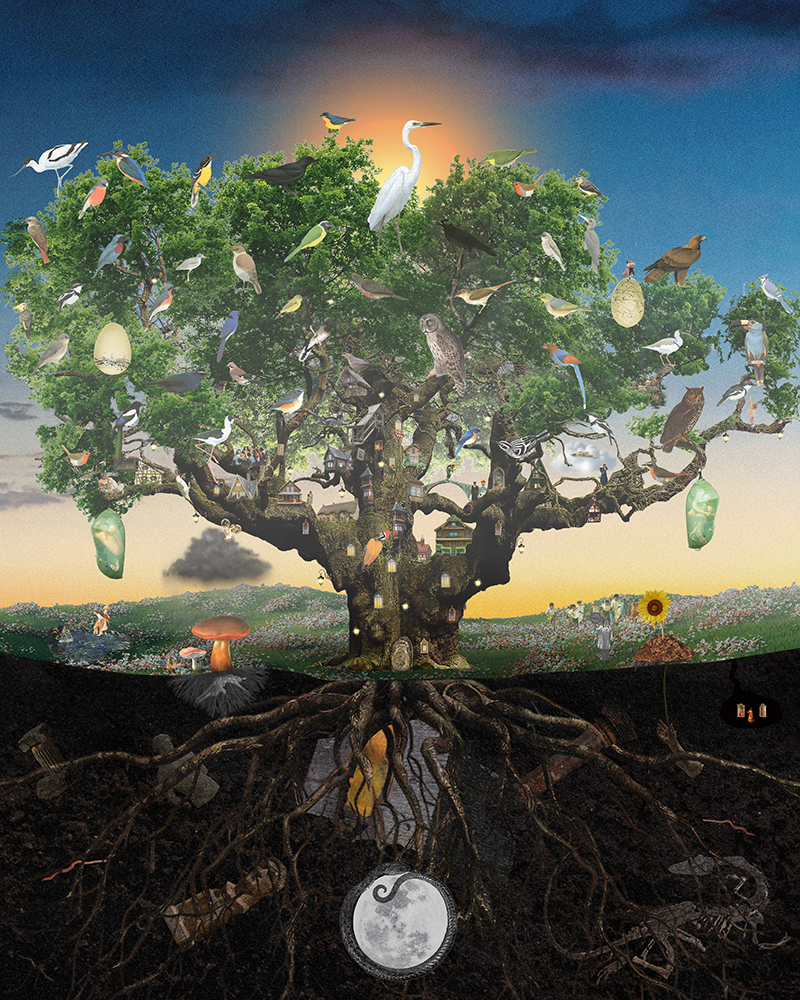
Tree of Life
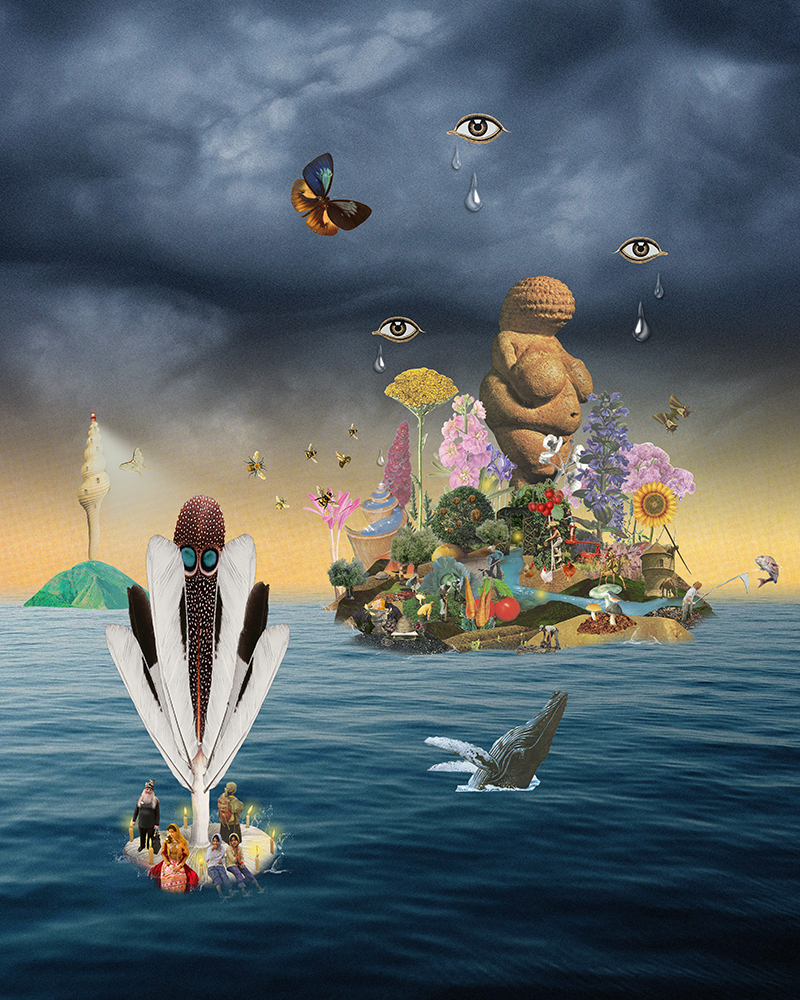
Island of Sanity
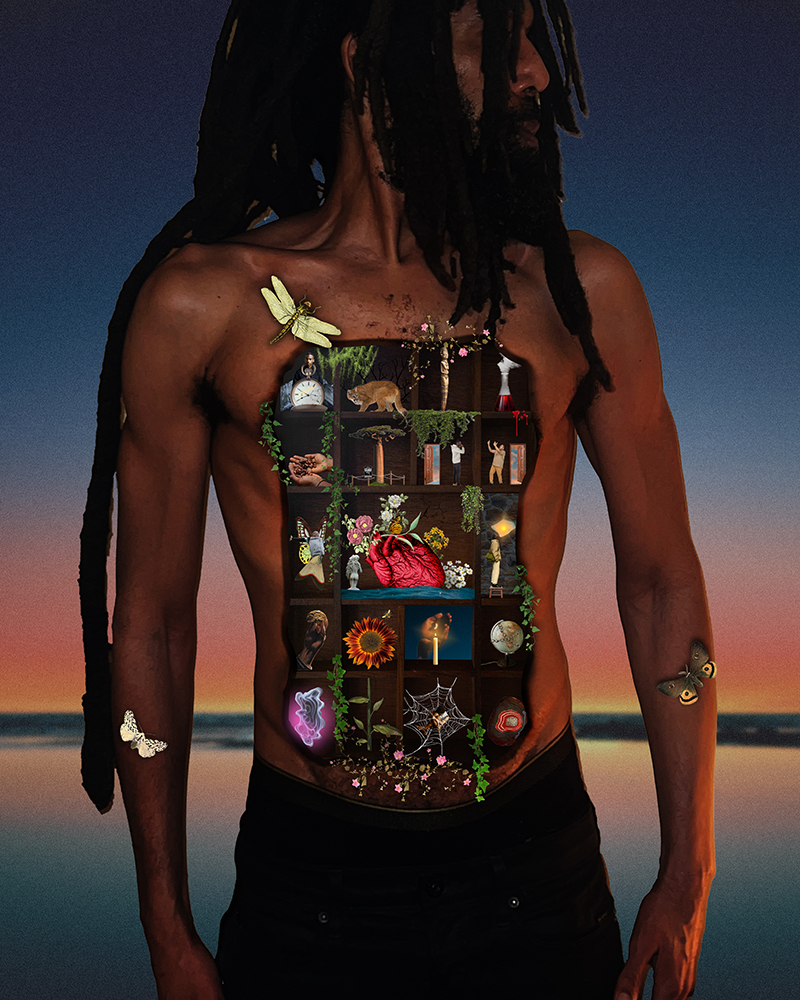
My body is (not) a Cabinet
What is a Learning Commons?
otherWise was founded as a learning commons and gathering ground for those living through endings, reaching for what still matters, and refusing to do it alone.
Through collage artwork, the learning commons provides an interactive and imaginative way of accessing and connecting knowledge and resources.
Members can browse the collages and access original and curated materials: gathering guides, articles, zines, visual field notes, transcripts, audio recordings, annotated bibliographies, and video teachings.
As we grow and evolve as a community and deepen our conversations, new areas will open up on the collages, and new learnings will become available. Each of us walks through the collages in a unique way. Where we travel and stop, and what we take in makes all the difference. What matters are the connections and revelations that are possible when we juxtapose or hold words, themes, and topics next to each other.
The collages were created by Niels Devisscher, who spent months tuning into the wealth of writings and conversations that have unfolded within the community over time. They are worlds, born from the collective intelligence of this community.
How it works
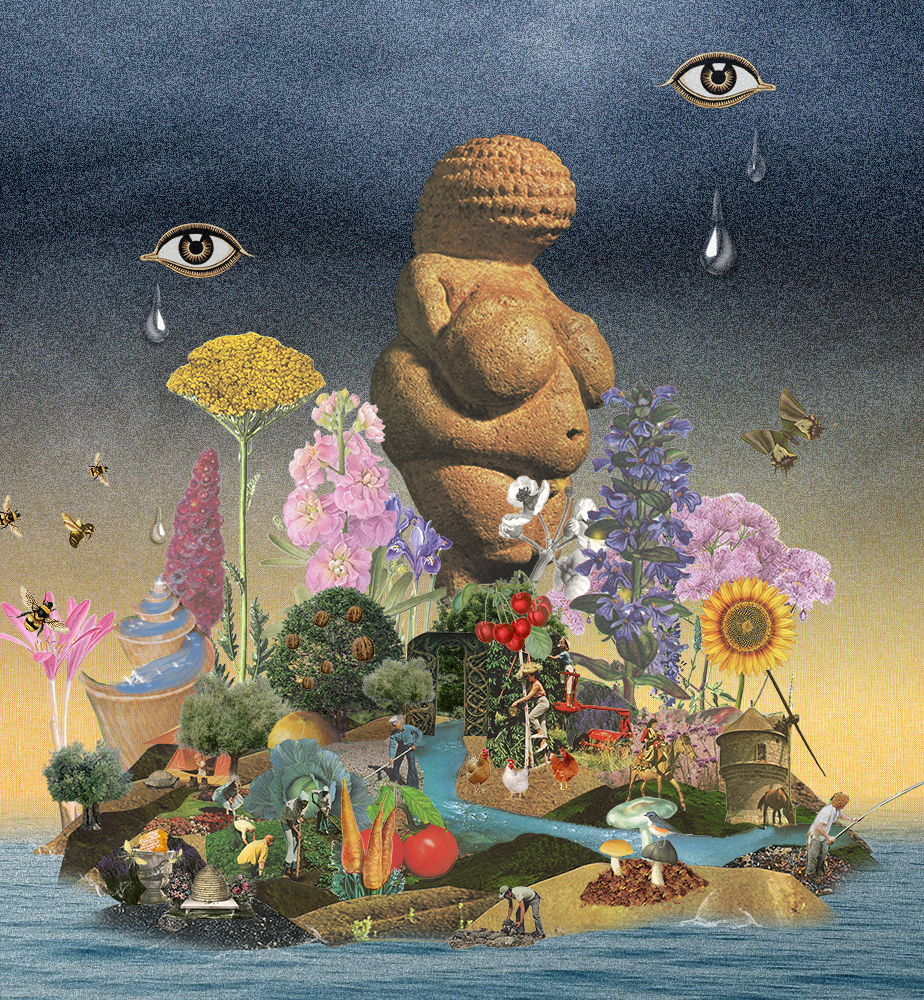
Hover over the collage on areas that seem interesting to you. When you have found a live area, a shape will appear with a label. If you click the shape, you will be taken to a learning resource, or a new collage map with new areas to explore. Watch the instruction video below to learn more!
If you would like to peek at a map to see where all the clickable areas are, you can glance at our cheat sheet.
This tool is best used on a computer, since you can’t hover over hidden areas on a touchscreen device. If you want to use a mobile device, then we advise you study the map/cheat sheet to see where to click, or just click wildly to see what lands!
More about the invitation
Lineage
Our Learning Commons draws inspiration from a global lineage of commoning practices –from Elinor Ostrom’s design principles for shared resource governance, to Silvia Federici’s insistence that the commons must be feminist, to David Bollier’s work on reclaiming the commons as a cultural and relational practice. It is further animated by pedagogical and epistemic frameworks from Vanessa Andreotti and the Gesturing Towards Decolonial Futures Collective, especially the insights in Towards Braiding around intergenerational, intercultural, and asymmetrical collaboration. It blends Digital Gardening with Commoning.
Quickening
A member searching for a gathering guide on Relational Ethics steps into the Learning Commons. She finds not just a PDF but an invitation: to listen, to reciprocate, to explore what others have added, and perhaps to leave a trace herself. Another member uploads a zine on compost toilets they made with their community. A third requests access to Edgework resources, knowing they must first pause and agree to the care agreements. These are small acts of stewardship that together form a living culture of shared learning.
Countering
Intellectual property regimes, Knowledge hoarding, Extractive education, Platform capitalism, Open access without shared responsibility
Relations
Commons, Commoner’s consciousness. Generative constraints, Protected legibility, Situated learning, Intergenerational transmission, Collective stewardship, Digital Garden
Inquiries
- How can we steward knowledge without enclosing it?
- What becomes possible when we treat learning materials as sacred rather than scarce?
- Who is responsible for tending the commons of learning, and how do we share that responsibility well?
- How do we ensure our Learning Commons nourishes relational rigor, not just resource access?