
otherGardens
otherGardens is a shared practice space for those growing food, medicine, and kinship at the edge of collapse – not to escape, but to remain together.
“A slow-growing, seed-sharing, scrappy and sacred circle of post capitalist cultivators.”
Growing food, foraging wild herbs, dreaming of seed sovereignty, or simply seeking a more intimate relationship with land and life?
otherGardens is a shared practice space for those growing food, medicine, and kinship at the edge of collapse – not to escape, but to remain together.
Live sessions will be held every two weeks during evenings (EST) and run for 6 months.
Rather than maximizing yield, selling solutions, or keeping food under lock and key, we compost the myths of independence and cultivate a culture of relational sufficiency and nuanced seasonal attentiveness. Favoring low-input methods and trusting the generosity of the gift, this is gardening as collective response, not individual survival. Learning to cultivate and forage otherWise might help us remember that we never left the garden – and begin again as architects of abundance.
The otherGardens offering
Monthly Open Circles
Informal gatherings to reflect on what’s stirring in our gardens, windowsills, forests, and communities. From pollinators to perennials, foraging to forest farming, compost to collective care – these are conversations fit for season and soil.
Monthly Guest Conversations
Held between the Open Circles, these sessions feature farmers, foragers, food sovereignty activists, post-capitalist land workers, cultural cooks, and others tending life at the edge. We are setting plans with early guests who will speak to wildcrafting, Arab foodways, and communal growing practices.
Seasonal Mailings
Small material gifts, offered by otherWise and otherGardens participants, like seeds, teas, rhizomes, or herbs, and exchanged around the solstices and equinoxes. Think of these tiny parcels as thoughtfully liking our shared practice and appropriately manifesting our connections across geographies and bioregions.
A Community Forum
A place to exchange questions, learnings, and inspiration. Wondering why your tomato leaves are curling? Curious about no-till beds? Want to share a recipe or podcast? This will be the digital garden gate.
Workshops (Virtual + In-Person)
From seed swaps to salve-making, fermentation to foraging, we’ll eventually gather in practical, earthy spaces of shared learning. otherGardens participants may also support each other in organizing such sessions in their places.
Upcoming Events
otherGardens
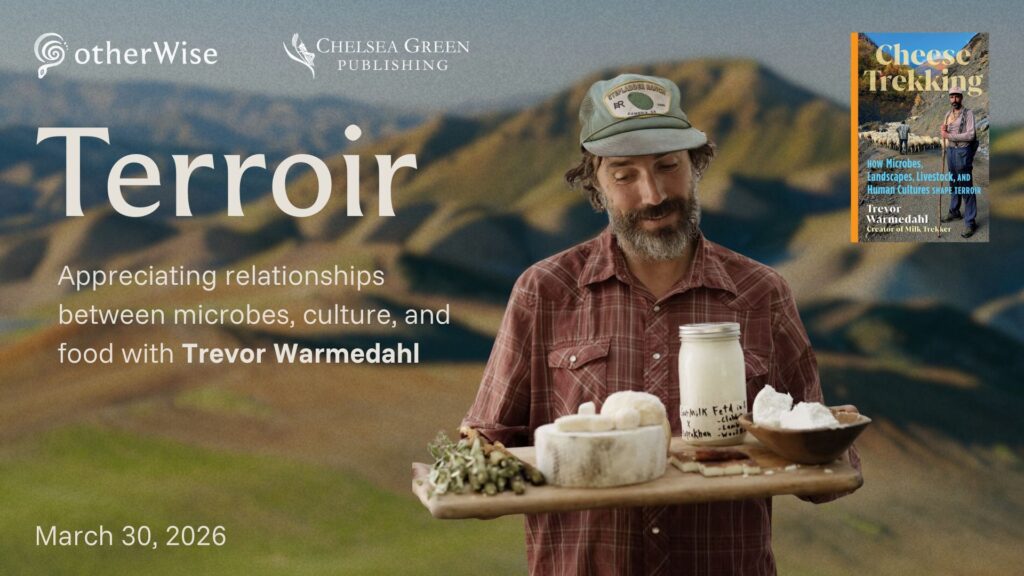
Terroir with Trevor Warmedahl
March 30, 2026
6:30 pm
–
8:00 pm
ET
Our Placedness cycle takes us next to a special aspect of place: Terroir. Terroir is the unique flavor and properties a food or drink develops depending on the unique regional conditions in which it was grown. When we experience or aspire to placedness, in many ways we’re aspiring the deepening of our relationship with cultural and physical terroir. Read more
otherWisdom Circles
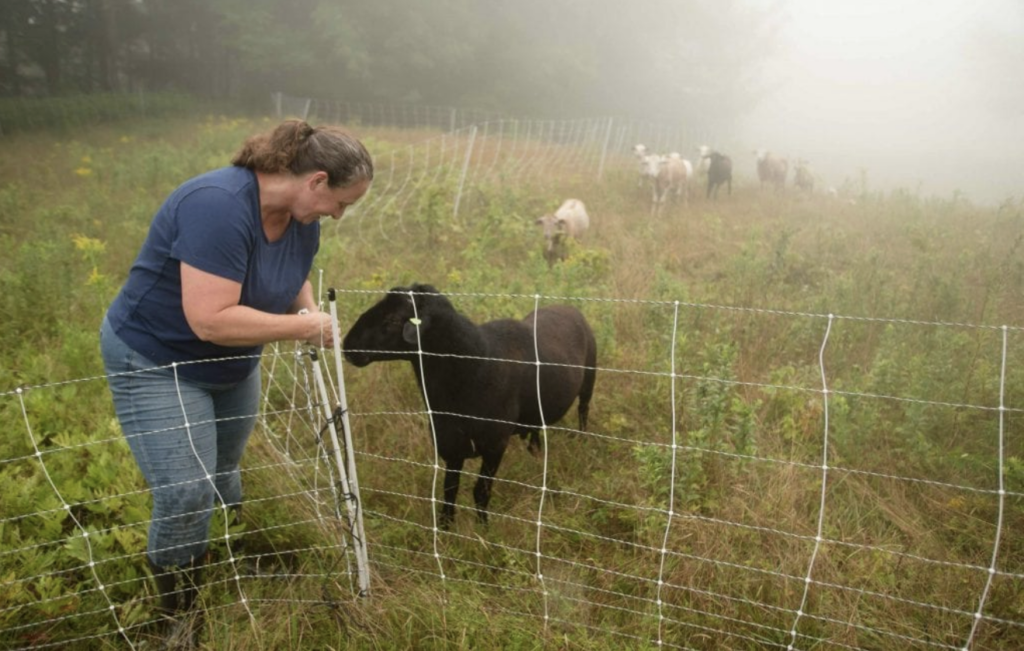
Holistic Land and Human Health with Grazing, with Jenn Colby
April 9, 2026
5:00 pm
–
6:30 pm
ET
For this otherGardens installment, we’ll explore grass-based livestock farming, land regeneration, and the realities of building a values-driven farm with Jenn Colby of Howling Wolf Farm in Vermont. A longtime agricultural educator, consultant, host of the *Choosing to Farm* podcast, and organizer of the biannual New England Grazing conference *Gathering of Good Graziers*, Jenn brings over 25 years of experience supporting farmers while also managing her own sheep operation with a focus on sustainable grazing, biodiversity, and healing and wholeness for the human participants in the system. Read more