• Work and Play

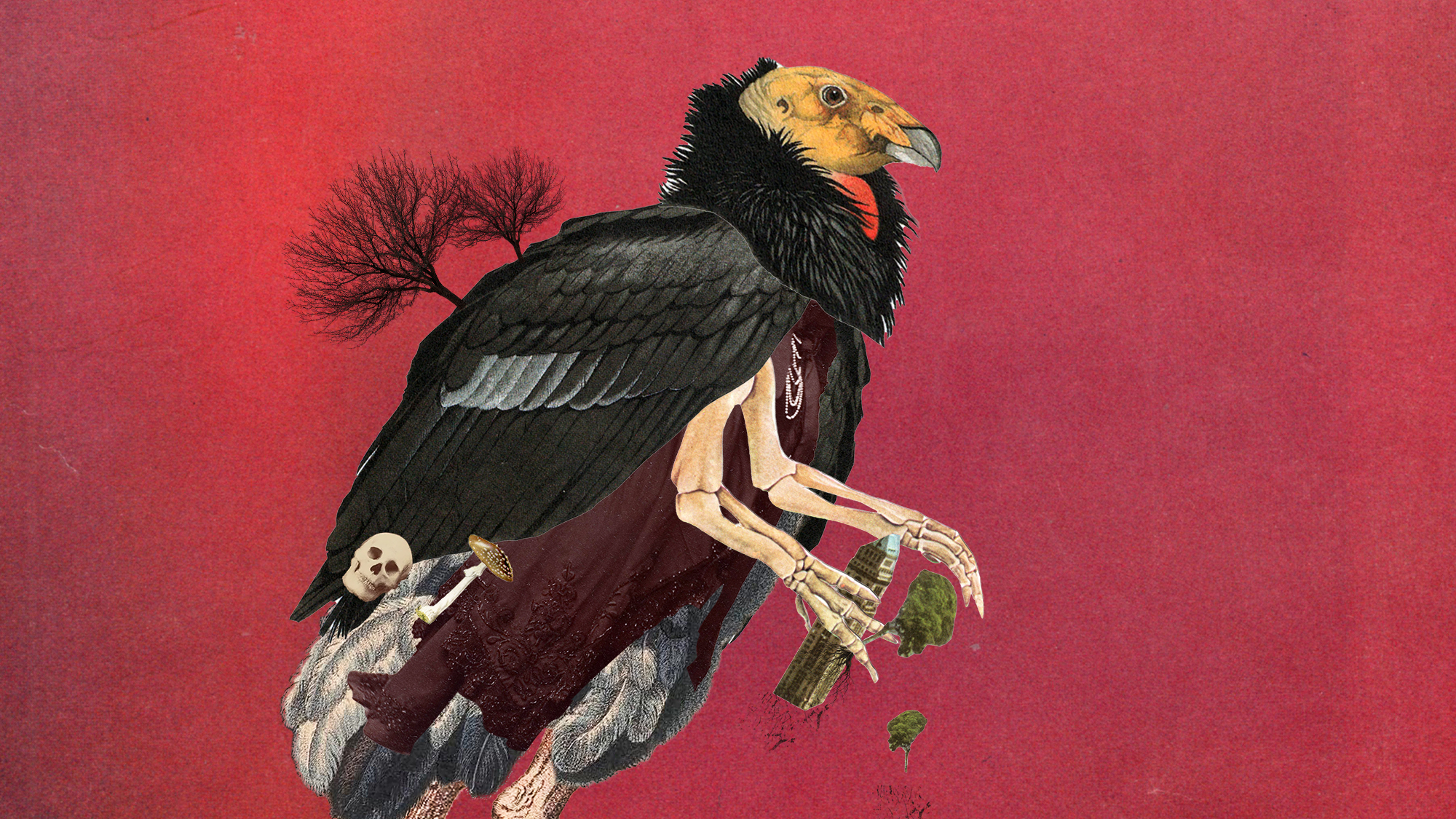
    Summer marks a time when many of us have a chance for play – summer break, midsummer sun, beach vacations. If we don’t have a break, we might long for the freedom of our childhoods. It is also a time when many of us are most harried – with kids home from school, and the growing season in full-swing. In this call, we will explore how to lean into play without escapism, to find joy in business and work-life integration, while resisting the pressures of the accelerating and alienating cycles of rush and escape.
  • Neodecadence/Frugal Hedonism

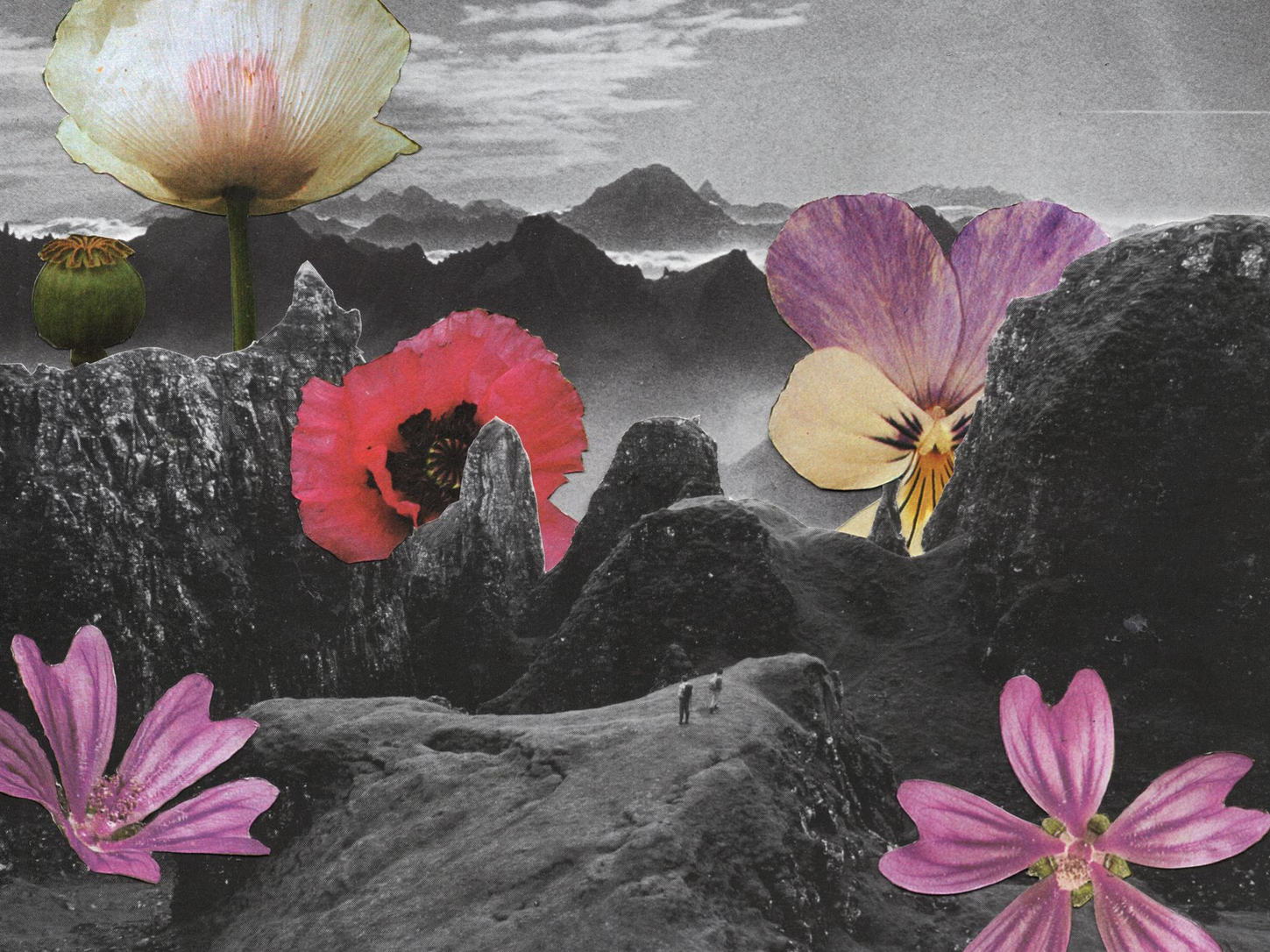
    As the old adage goes, “money can’t buy happiness.” Of course, money often allows folks to meet their materials needs – which is an important prerequisite for happiness and security. But beyond that, what happens when we reframe our relationship with luxury and decadence by striving for the simple pleasures in life? Maybe rather than shooting for a fancy vacation abroad, the next gadget, we would get more fulfillment and satisfaction from long slow walks, sunny naps, fresh cream, and splashing in the creek. What other creative sources of decadence have we not even considered, and what stands in our way to reclaiming them?

  • Carnival

    Carnival is a radical break from the norms of everyday life. As David Fleming says it is "the reminder that normal, good behavior is not a habit, but a matter of choice." A chance to get silly, creative and wild together in community breeds a sense of camaraderie, unity, and unlocks ideas and relationships that may not be possible in the normal course of life. It teaches us about ourselves and our greater physical, social, and emotional environment in a new way. How can we make space for more carnival as the summer winds down?

  • Discernment

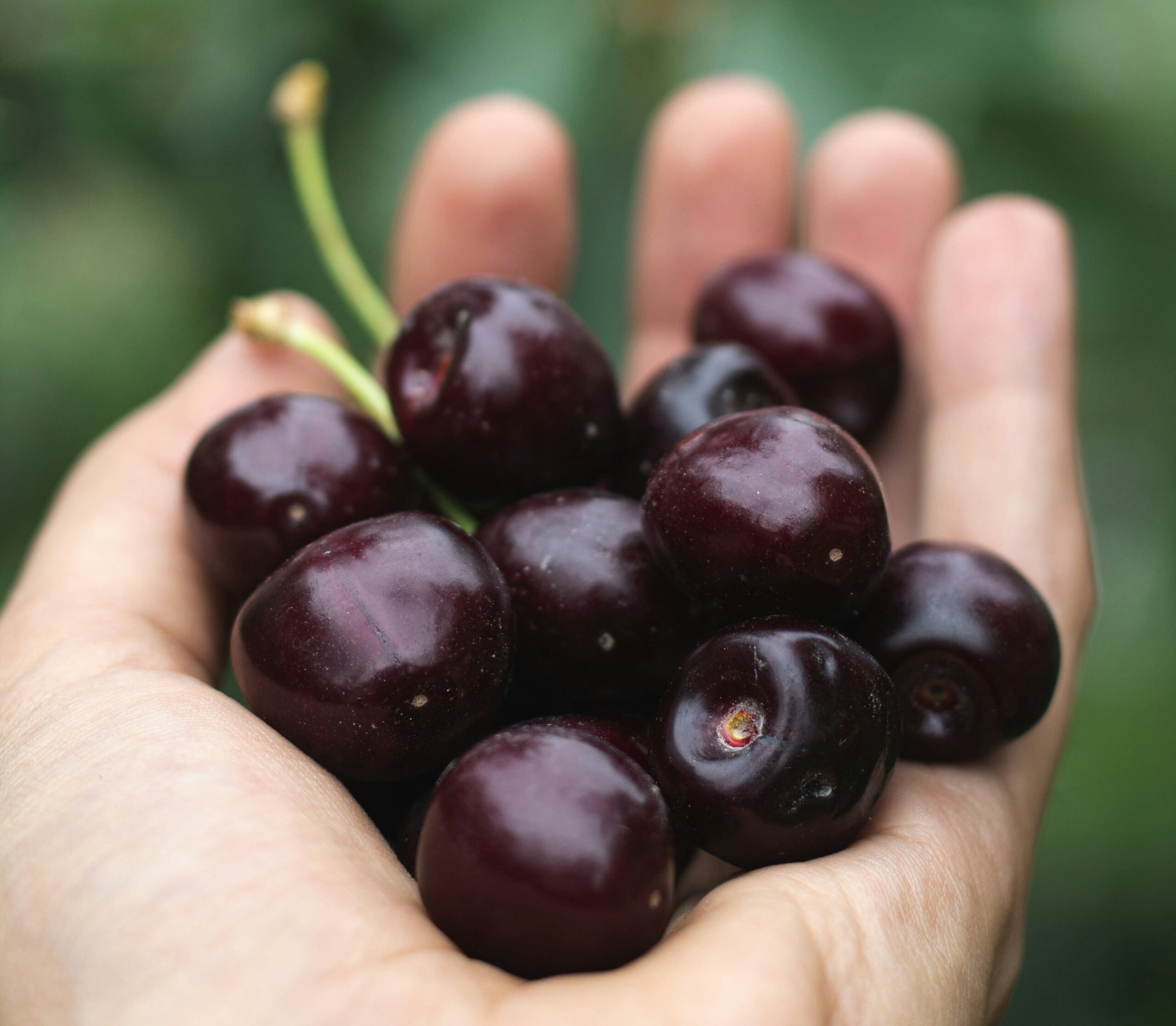
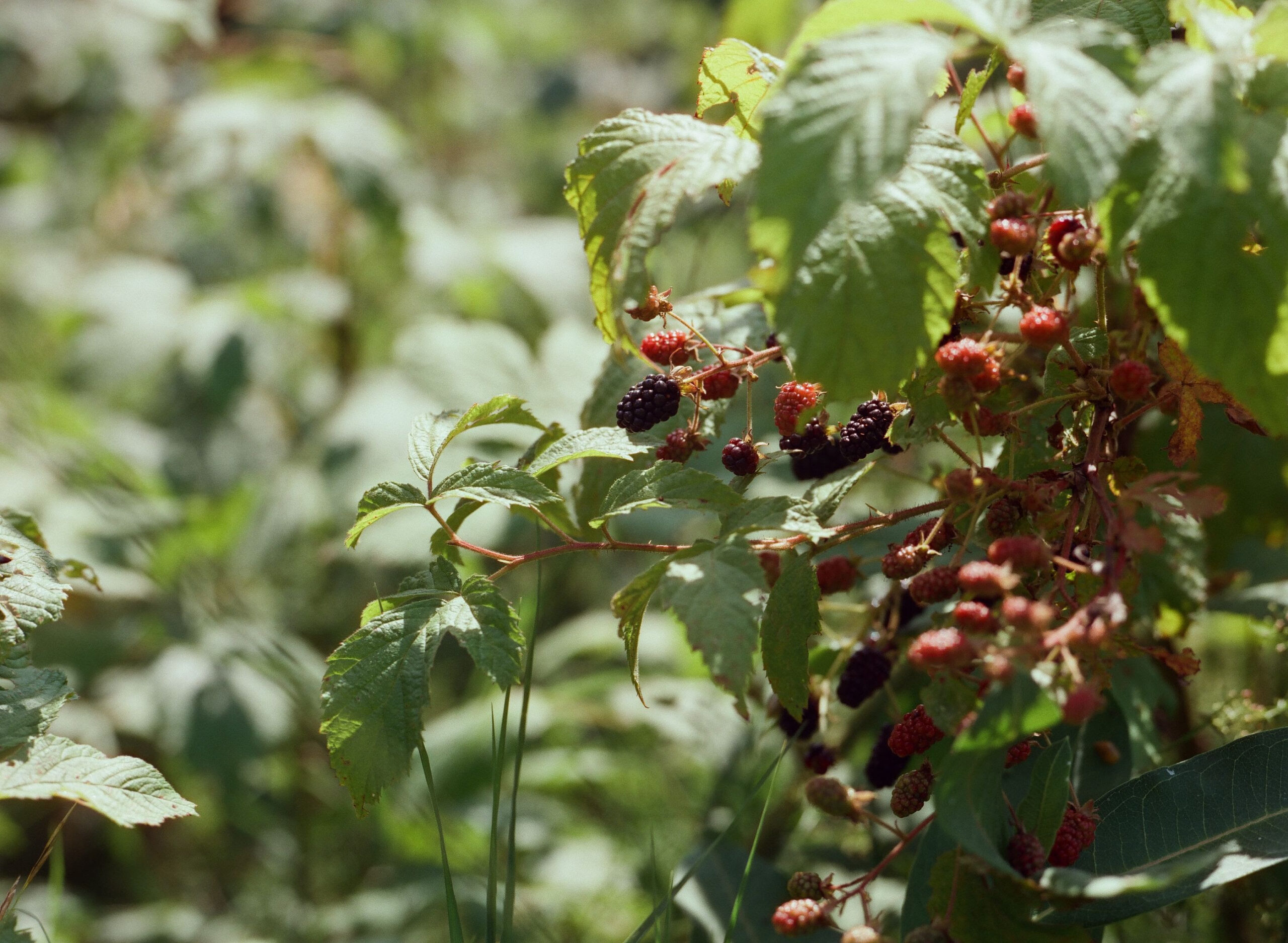
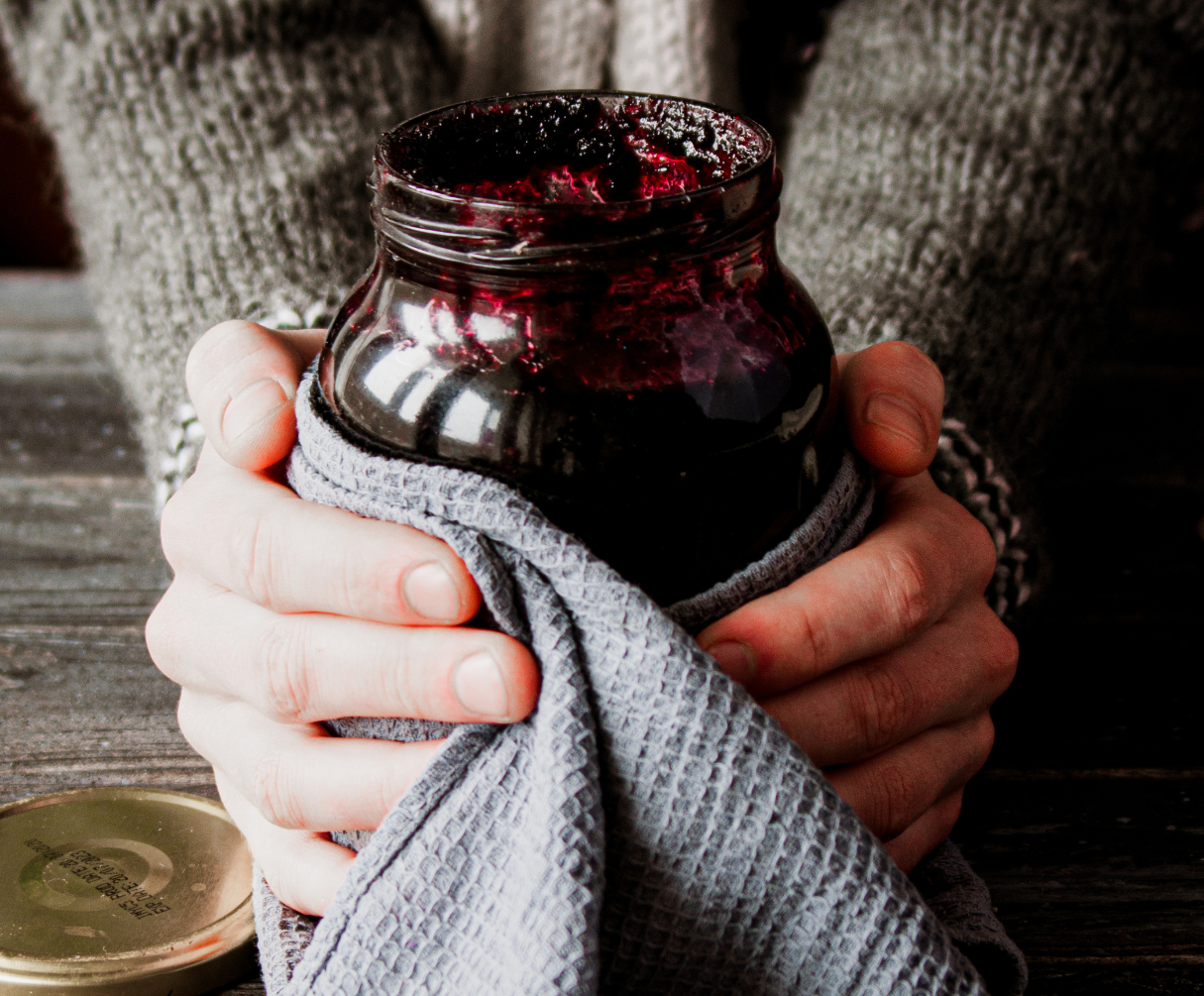
    At harvest time, awash in abundance, we are faced with many choices. choices about what to keep and what to give away, about what to eat quickly, and what to store, and the best way to make use of all that we have. In this session, we can literally and metaphorically assess our harvest and decide what we offer in feast, what we pickle, what we ferment, what we sweeten into jam, what we pause in the freezer, what we salt, and what we dry to reconstitute later. In this conversational online gathering, we will swap stories about when and how we’ve made choices about what to salvage, valorize, or toss, and exchange some techniques for literal and metaphorical preserving and upcycling.

  • Generosity

    We have been taught by the hyper-individual dominant culture to hoard our excess, to save for a rainy day, as our mainstays against the intentionally insecure competitive economy. Many of us are hyper-aware of the inequality all around us, and deciding how, and how much to share can be daunting and paralyzing. As with so much un- and re-learning, it takes practice to be generous. This conversational gathering will help us to explore generosity (amid material abundance and scarcity and mindsets of the same). We hope to also support attendees in identifying how to engage in giving without feeling taken advantage of.

  • Vessels otherWisdom Circle

    Different containers are appropriate for storing, carrying, and collecting different contents. As the contents change, the container might need to change as well. You can store yarn in a loosely woven basket, but you cannot carry water. You can ferment kefir in a glass container, but it requires attention and active care, so that you burp the container before it shatters. Some containers are temporary, and others hold forever. Some carry seeds, others carry ancestors. In this discussion, we will discuss the oft-overlooked importance of the vessels we carry and those that carry us.

  • Waste otherWisdom Circle

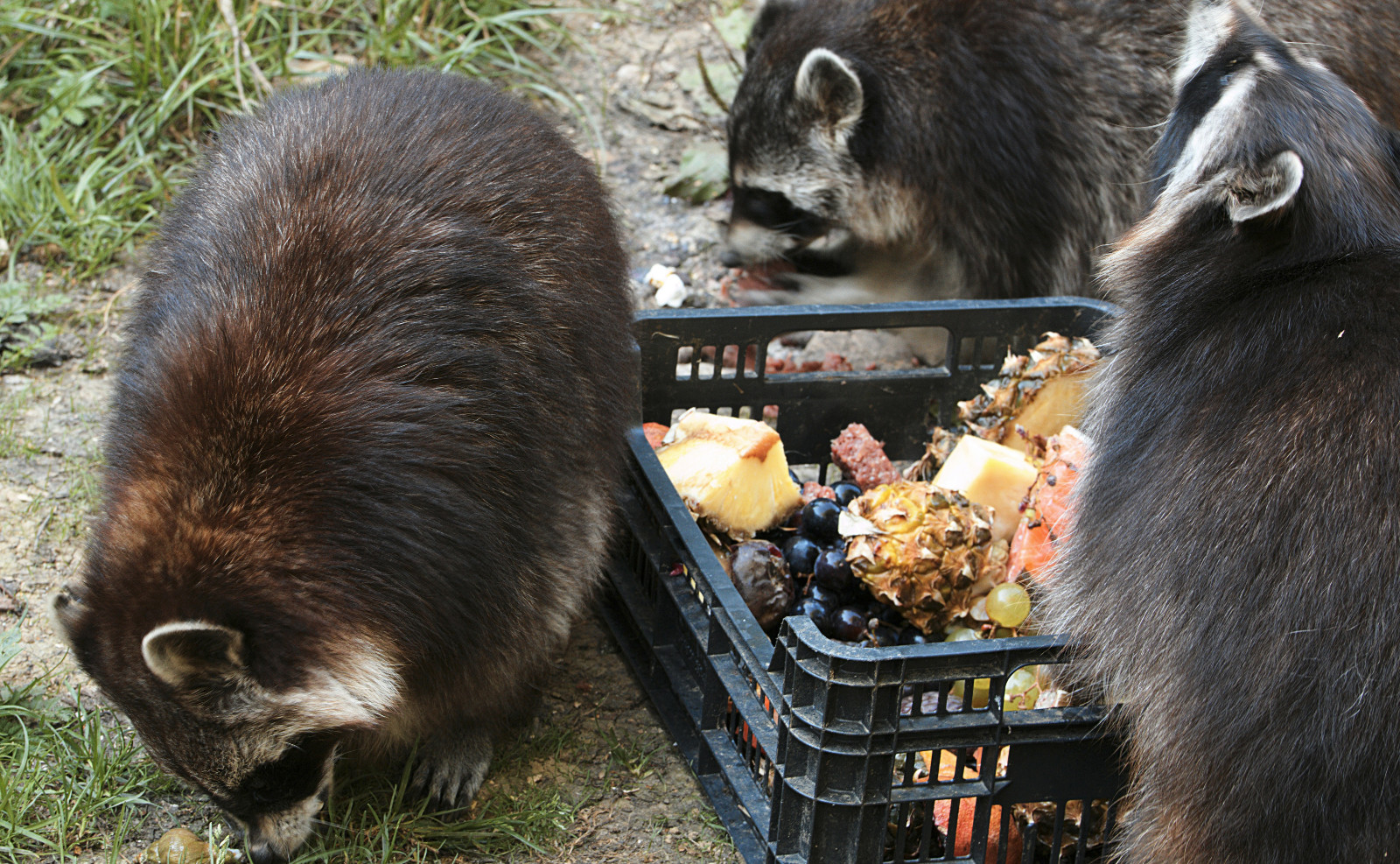
    Throughout this cycle, we will be exploring the concept of Away. We have become blind to the metabolic processes that sustain us, such that what we consume and what we excrete simply comes from and goes to the mythical land of Away - outside of our attention or awareness. Not only does this hidden world allow us to be oblivious to all kinds of irresponsible, unsustainable atrocities, but it leaves us feeling isolated, uninformed, and disconnected from our beautiful, entangled relationships with the wider world. In this first call we will deep dive into all that we discard in our exploration of Waste.
    There is so much abundance in waste, if only we have eyes enough to see. Waste, by one definition, is the disposal of something that still has value. With some extra time and energy to sort through and process what others discard, we can actually keep the useful and nutritious bits in circulation and to properly lay what we cannot use to rest, or give it to someone that can.

  • Extraction otherWisdom Circle

    Everything we consume carries stories, has origins. Our food, energy, metals, and comforts are pulled from somewhere — and over the past several centuries, those somewheres have multiplied and often stretched well beyond the range that our bodies travel. Everything we consume connects us to other bodies, beings, places and ecosystems, but those connections are often imbalanced, incomplete, and uni-directional. They take more value than they return. They leave more harm than they tend. In this session, we will look closely at extraction: how bodies, lands, and histories are mined for profit, and how we are entangled in these flows.

  • Composting otherWisdom Circle

    What comes to mind when you hear the word compost? The bucket of stinky food scraps near your sink. Single-use plates and utensils that go in a green bin. A big pile, you know, you need to turn. Time, temperature, and transformation. Rich garden soil.

    Composting is the process of taking bodies and materials (waste), inviting a new kind of life into them (microbes), and turning them into something that can be used again (digestion). This applies to reclaiming what the dominant culture discards as “waste,” yes, though we can easily extend the lessons of composting beyond the physical.

    Together, we will consider composting as both a biotic practice (closing nutrient loops, building soil, healing metabolic rift) and a cultural practice (working with memory, story, and trauma to fertilize more viable futures). Beauty in the breakdown.

  • Meeting Monsters

    Exploring Initiatory Territories through Conversation, writing, and Collage with Tom Hirons & Niels Devisscher

    In the middle world we now inhabit, surrounded by the monstrous in politics, ecology, and the psyche, how do we face these forces within and around us, without turning away?
    And perhaps most importantly: can we still find something sacred within these monsters?

    In this hands-on workshop by poet and storyteller Tom Hirons, and communications designer and collage artist Niels Devisscher, you will be guided into Supernatural and Monstrous territories using two different but complementary media.