“…Trevor has penned what may be the most poetic, touching, and world-expanding treatise on fermentation and symbiosis to have ever been put to the page. [Trevor] will change not only how you think about cheese—and the humans, microbes, and animals that cocreate it—but also how you think about life.”
— David Zilber
Our Placedness cycle takes us next to a special aspect of place: Terroir. Terroir is the unique flavor and properties a food or drink develops depending on the unique regional conditions in which it was grown. When we experience or aspire to placedness, in many ways we’re aspiring the deepening of our relationship with cultural and physical terroir.
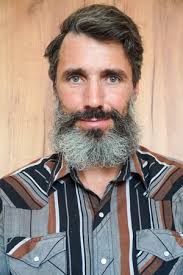
Trevor spent the last six years traveling and volunteering with cheesemakers and pastoralists in many countries, documenting their practices. He is an experienced cheesemaker himself, and travels the country teaching courses in traditional cheesemaking. By propagating indigenous microbes, milk can be fermented into essentially any style of cheese, within the constraints of the milk source, without the ubiquitous commercial starter cultures used to make almost every type of cheese sold in stores today. Just as natural wine and sourdough bread display a greater range of flavors and potential for deliciousness, naturally fermented cheeses have a serious depth and nuance. The practices behind traditional cheesemaking vary widely: in some countries milk is fermented without any additional starter; in others, whey from one batch is used to ferment the next.
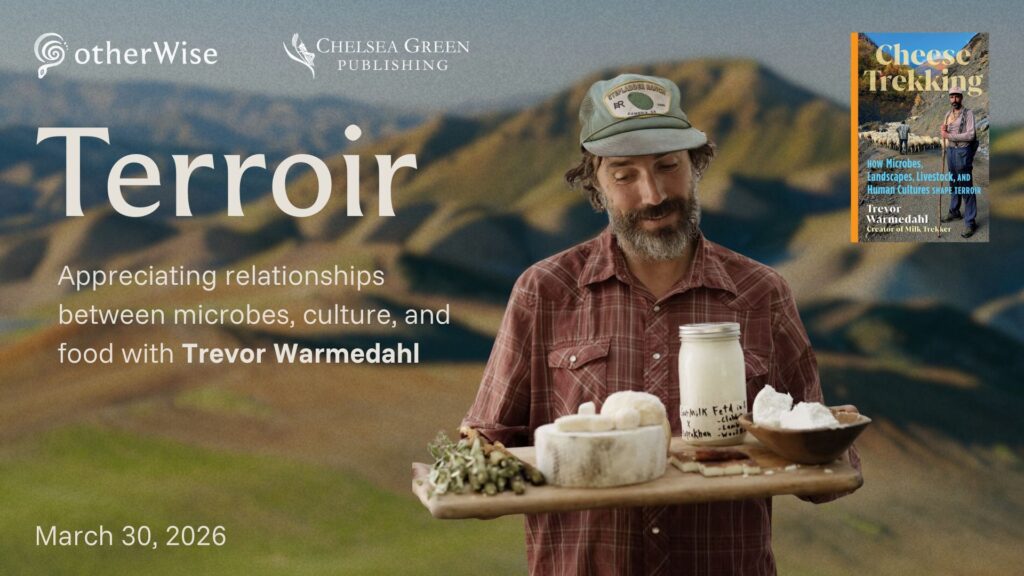
Terroir is an expert in the relationships between microbes, culture, and food. Trevor recently wrote the book, Cheese Trekking, which will be published February 17th, and which covers his journeys across the world studying (and tasting) the local terroirs developed from specific microbes, animals, people, and places.